Ghana's history is full of important events. Some happened hundreds of years ago. Others happened in living memory. Together they explain how Ghana became the country it is today.
This article gives learners a clear path through the biggest turning points, using simple English and a timeline mindset.
Early trade and European arrival
Before Europeans arrived, communities in the area traded gold, kola nuts, salt, cloth and food. Trade connected forest, savannah and coastal societies.
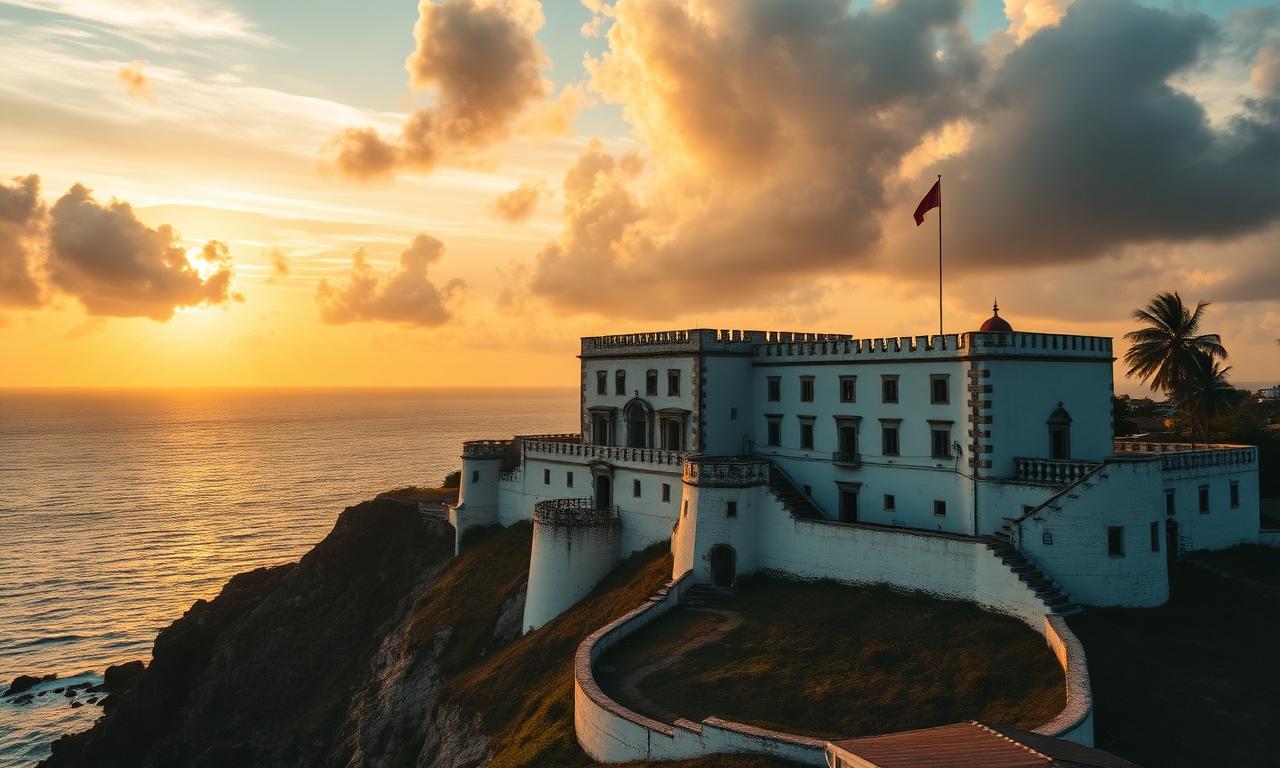
In 1471 Portuguese sailors reached the Gold Coast. In 1482 they built Elmina Castle. Later the Dutch, British, Danes and Swedes also built forts and castles for trade and military protection.
The slave trade and its memory
From the seventeenth to nineteenth centuries, many forts and castles were used in the trans-Atlantic slave trade. Africans captured inland were held in dungeons before being shipped across the ocean.
Cape Coast Castle, Elmina Castle and Christiansborg Castle are therefore places of memory. They teach painful lessons about human dignity, racism, greed and survival.
The rise of Asante and resistance
The Asante Empire rose in the late seventeenth century and became one of the most powerful states in West Africa. It controlled trade and challenged British expansion.
The Anglo-Asante wars, including the Yaa Asantewaa War of 1900, show that Ghanaians resisted foreign control. Yaa Asantewaa's leadership remains a symbol of courage.
Advertisement
Nationalism and independence
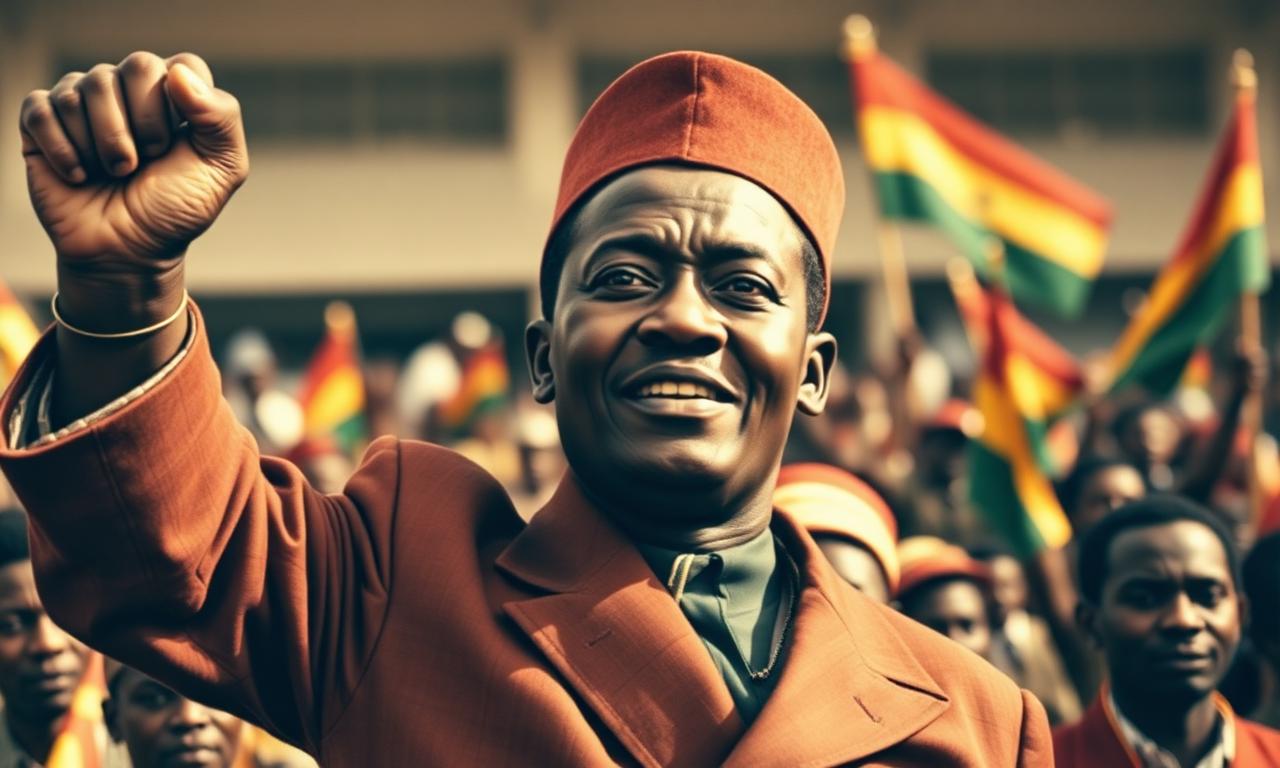
The 1948 Accra riots, the arrest of the Big Six, the formation of the CPP and the elections of 1951, 1954 and 1956 moved the country toward independence.
On 6 March 1957 Ghana became free. The event inspired other African nations and made Ghana a leader in Pan-African politics.
Republics, coups and democracy
Ghana became a republic in 1960, but the country later experienced military coups in 1966, 1972, 1979 and 1981. These interruptions showed the difficulty of building stable government after colonial rule.
The 1992 constitution began the Fourth Republic. Since then Ghana has held regular elections and peaceful transfers of power, becoming one of Africa's respected democracies.
Understanding the background
Important Historical Events in Ghana is an important topic because it helps learners connect names, dates, places and decisions to the wider story of Ghana. The subject belongs to historical events, but it also links with citizenship, geography, culture and moral education. When students read about Important Historical Events in Ghana, they are not only memorising facts; they are learning how people solved problems, protected communities, built institutions and passed lessons from one generation to another.
A useful way to study this topic is to begin with the main evidence. One important fact is: Portuguese arrived on the Gold Coast in 1471. Another point to remember is: Elmina Castle was built in 1482. These details give the article a clear anchor. They help learners explain what happened, where it happened, who was involved and why the event or place remains important in Ghanaian life today.
The story should also be read with empathy. History is about real people: leaders making hard choices, ordinary families facing change, traders moving goods, chiefs protecting their people, students demanding a better future, and communities keeping traditions alive. Some parts of Ghana's past are joyful and proud, while others are painful. A good reader respects both sides and tries to understand the human experience behind the facts.
For long reading, pause after each section and ask three simple questions: What is the main idea? Which details support it? How does it connect to Ghana today? This method makes Important Historical Events in Ghana easier to remember and easier to discuss in class. It also helps learners write stronger essays because every paragraph can be connected to a clear point, a clear example and a clear explanation.
This topic is also useful for national identity. Ghana is made up of many regions, languages, ethnic groups, faiths and occupations, yet the history of the country shows repeated efforts to build unity. Whether the topic is a president, a castle, a kingdom, a region, a festival or a national event, the lesson is that Ghana's story was built by many hands. Understanding Important Historical Events in Ghana helps learners appreciate that shared responsibility.
When preparing for quizzes or examinations, learners should create a short timeline, write down key names, mark important places on a map and explain the meaning of each fact in their own words. Copying sentences is less helpful than retelling the story clearly. If a learner can explain Important Historical Events in Ghana to a younger pupil in simple English, then the learner has truly understood the topic.
People, places and decisions
Important Historical Events in Ghana is an important topic because it helps learners connect names, dates, places and decisions to the wider story of Ghana. The subject belongs to historical events, but it also links with citizenship, geography, culture and moral education. When students read about Important Historical Events in Ghana, they are not only memorising facts; they are learning how people solved problems, protected communities, built institutions and passed lessons from one generation to another.
A useful way to study this topic is to begin with the main evidence. One important fact is: Elmina Castle was built in 1482. Another point to remember is: Yaa Asantewaa led resistance in 1900. These details give the article a clear anchor. They help learners explain what happened, where it happened, who was involved and why the event or place remains important in Ghanaian life today.
The story should also be read with empathy. History is about real people: leaders making hard choices, ordinary families facing change, traders moving goods, chiefs protecting their people, students demanding a better future, and communities keeping traditions alive. Some parts of Ghana's past are joyful and proud, while others are painful. A good reader respects both sides and tries to understand the human experience behind the facts.
For long reading, pause after each section and ask three simple questions: What is the main idea? Which details support it? How does it connect to Ghana today? This method makes Important Historical Events in Ghana easier to remember and easier to discuss in class. It also helps learners write stronger essays because every paragraph can be connected to a clear point, a clear example and a clear explanation.
This topic is also useful for national identity. Ghana is made up of many regions, languages, ethnic groups, faiths and occupations, yet the history of the country shows repeated efforts to build unity. Whether the topic is a president, a castle, a kingdom, a region, a festival or a national event, the lesson is that Ghana's story was built by many hands. Understanding Important Historical Events in Ghana helps learners appreciate that shared responsibility.
When preparing for quizzes or examinations, learners should create a short timeline, write down key names, mark important places on a map and explain the meaning of each fact in their own words. Copying sentences is less helpful than retelling the story clearly. If a learner can explain Important Historical Events in Ghana to a younger pupil in simple English, then the learner has truly understood the topic.
Cause and effect
Important Historical Events in Ghana is an important topic because it helps learners connect names, dates, places and decisions to the wider story of Ghana. The subject belongs to historical events, but it also links with citizenship, geography, culture and moral education. When students read about Important Historical Events in Ghana, they are not only memorising facts; they are learning how people solved problems, protected communities, built institutions and passed lessons from one generation to another.
A useful way to study this topic is to begin with the main evidence. One important fact is: Yaa Asantewaa led resistance in 1900. Another point to remember is: The 1948 Accra riots accelerated nationalism. These details give the article a clear anchor. They help learners explain what happened, where it happened, who was involved and why the event or place remains important in Ghanaian life today.
The story should also be read with empathy. History is about real people: leaders making hard choices, ordinary families facing change, traders moving goods, chiefs protecting their people, students demanding a better future, and communities keeping traditions alive. Some parts of Ghana's past are joyful and proud, while others are painful. A good reader respects both sides and tries to understand the human experience behind the facts.
For long reading, pause after each section and ask three simple questions: What is the main idea? Which details support it? How does it connect to Ghana today? This method makes Important Historical Events in Ghana easier to remember and easier to discuss in class. It also helps learners write stronger essays because every paragraph can be connected to a clear point, a clear example and a clear explanation.
This topic is also useful for national identity. Ghana is made up of many regions, languages, ethnic groups, faiths and occupations, yet the history of the country shows repeated efforts to build unity. Whether the topic is a president, a castle, a kingdom, a region, a festival or a national event, the lesson is that Ghana's story was built by many hands. Understanding Important Historical Events in Ghana helps learners appreciate that shared responsibility.
When preparing for quizzes or examinations, learners should create a short timeline, write down key names, mark important places on a map and explain the meaning of each fact in their own words. Copying sentences is less helpful than retelling the story clearly. If a learner can explain Important Historical Events in Ghana to a younger pupil in simple English, then the learner has truly understood the topic.
Life in Ghana at the time
Important Historical Events in Ghana is an important topic because it helps learners connect names, dates, places and decisions to the wider story of Ghana. The subject belongs to historical events, but it also links with citizenship, geography, culture and moral education. When students read about Important Historical Events in Ghana, they are not only memorising facts; they are learning how people solved problems, protected communities, built institutions and passed lessons from one generation to another.
A useful way to study this topic is to begin with the main evidence. One important fact is: The 1948 Accra riots accelerated nationalism. Another point to remember is: Ghana became independent on 6 March 1957. These details give the article a clear anchor. They help learners explain what happened, where it happened, who was involved and why the event or place remains important in Ghanaian life today.
The story should also be read with empathy. History is about real people: leaders making hard choices, ordinary families facing change, traders moving goods, chiefs protecting their people, students demanding a better future, and communities keeping traditions alive. Some parts of Ghana's past are joyful and proud, while others are painful. A good reader respects both sides and tries to understand the human experience behind the facts.
For long reading, pause after each section and ask three simple questions: What is the main idea? Which details support it? How does it connect to Ghana today? This method makes Important Historical Events in Ghana easier to remember and easier to discuss in class. It also helps learners write stronger essays because every paragraph can be connected to a clear point, a clear example and a clear explanation.
This topic is also useful for national identity. Ghana is made up of many regions, languages, ethnic groups, faiths and occupations, yet the history of the country shows repeated efforts to build unity. Whether the topic is a president, a castle, a kingdom, a region, a festival or a national event, the lesson is that Ghana's story was built by many hands. Understanding Important Historical Events in Ghana helps learners appreciate that shared responsibility.
When preparing for quizzes or examinations, learners should create a short timeline, write down key names, mark important places on a map and explain the meaning of each fact in their own words. Copying sentences is less helpful than retelling the story clearly. If a learner can explain Important Historical Events in Ghana to a younger pupil in simple English, then the learner has truly understood the topic.
Why the topic matters today
Important Historical Events in Ghana is an important topic because it helps learners connect names, dates, places and decisions to the wider story of Ghana. The subject belongs to historical events, but it also links with citizenship, geography, culture and moral education. When students read about Important Historical Events in Ghana, they are not only memorising facts; they are learning how people solved problems, protected communities, built institutions and passed lessons from one generation to another.
A useful way to study this topic is to begin with the main evidence. One important fact is: Ghana became independent on 6 March 1957. Another point to remember is: The Fourth Republic began in 1992. These details give the article a clear anchor. They help learners explain what happened, where it happened, who was involved and why the event or place remains important in Ghanaian life today.
The story should also be read with empathy. History is about real people: leaders making hard choices, ordinary families facing change, traders moving goods, chiefs protecting their people, students demanding a better future, and communities keeping traditions alive. Some parts of Ghana's past are joyful and proud, while others are painful. A good reader respects both sides and tries to understand the human experience behind the facts.
For long reading, pause after each section and ask three simple questions: What is the main idea? Which details support it? How does it connect to Ghana today? This method makes Important Historical Events in Ghana easier to remember and easier to discuss in class. It also helps learners write stronger essays because every paragraph can be connected to a clear point, a clear example and a clear explanation.
This topic is also useful for national identity. Ghana is made up of many regions, languages, ethnic groups, faiths and occupations, yet the history of the country shows repeated efforts to build unity. Whether the topic is a president, a castle, a kingdom, a region, a festival or a national event, the lesson is that Ghana's story was built by many hands. Understanding Important Historical Events in Ghana helps learners appreciate that shared responsibility.
When preparing for quizzes or examinations, learners should create a short timeline, write down key names, mark important places on a map and explain the meaning of each fact in their own words. Copying sentences is less helpful than retelling the story clearly. If a learner can explain Important Historical Events in Ghana to a younger pupil in simple English, then the learner has truly understood the topic.
Common misunderstandings
Important Historical Events in Ghana is an important topic because it helps learners connect names, dates, places and decisions to the wider story of Ghana. The subject belongs to historical events, but it also links with citizenship, geography, culture and moral education. When students read about Important Historical Events in Ghana, they are not only memorising facts; they are learning how people solved problems, protected communities, built institutions and passed lessons from one generation to another.
A useful way to study this topic is to begin with the main evidence. One important fact is: The Fourth Republic began in 1992. Another point to remember is: Portuguese arrived on the Gold Coast in 1471. These details give the article a clear anchor. They help learners explain what happened, where it happened, who was involved and why the event or place remains important in Ghanaian life today.
The story should also be read with empathy. History is about real people: leaders making hard choices, ordinary families facing change, traders moving goods, chiefs protecting their people, students demanding a better future, and communities keeping traditions alive. Some parts of Ghana's past are joyful and proud, while others are painful. A good reader respects both sides and tries to understand the human experience behind the facts.
For long reading, pause after each section and ask three simple questions: What is the main idea? Which details support it? How does it connect to Ghana today? This method makes Important Historical Events in Ghana easier to remember and easier to discuss in class. It also helps learners write stronger essays because every paragraph can be connected to a clear point, a clear example and a clear explanation.
This topic is also useful for national identity. Ghana is made up of many regions, languages, ethnic groups, faiths and occupations, yet the history of the country shows repeated efforts to build unity. Whether the topic is a president, a castle, a kingdom, a region, a festival or a national event, the lesson is that Ghana's story was built by many hands. Understanding Important Historical Events in Ghana helps learners appreciate that shared responsibility.
When preparing for quizzes or examinations, learners should create a short timeline, write down key names, mark important places on a map and explain the meaning of each fact in their own words. Copying sentences is less helpful than retelling the story clearly. If a learner can explain Important Historical Events in Ghana to a younger pupil in simple English, then the learner has truly understood the topic.
Classroom study notes
Important Historical Events in Ghana is an important topic because it helps learners connect names, dates, places and decisions to the wider story of Ghana. The subject belongs to historical events, but it also links with citizenship, geography, culture and moral education. When students read about Important Historical Events in Ghana, they are not only memorising facts; they are learning how people solved problems, protected communities, built institutions and passed lessons from one generation to another.
A useful way to study this topic is to begin with the main evidence. One important fact is: Portuguese arrived on the Gold Coast in 1471. Another point to remember is: Elmina Castle was built in 1482. These details give the article a clear anchor. They help learners explain what happened, where it happened, who was involved and why the event or place remains important in Ghanaian life today.
The story should also be read with empathy. History is about real people: leaders making hard choices, ordinary families facing change, traders moving goods, chiefs protecting their people, students demanding a better future, and communities keeping traditions alive. Some parts of Ghana's past are joyful and proud, while others are painful. A good reader respects both sides and tries to understand the human experience behind the facts.
For long reading, pause after each section and ask three simple questions: What is the main idea? Which details support it? How does it connect to Ghana today? This method makes Important Historical Events in Ghana easier to remember and easier to discuss in class. It also helps learners write stronger essays because every paragraph can be connected to a clear point, a clear example and a clear explanation.
This topic is also useful for national identity. Ghana is made up of many regions, languages, ethnic groups, faiths and occupations, yet the history of the country shows repeated efforts to build unity. Whether the topic is a president, a castle, a kingdom, a region, a festival or a national event, the lesson is that Ghana's story was built by many hands. Understanding Important Historical Events in Ghana helps learners appreciate that shared responsibility.
When preparing for quizzes or examinations, learners should create a short timeline, write down key names, mark important places on a map and explain the meaning of each fact in their own words. Copying sentences is less helpful than retelling the story clearly. If a learner can explain Important Historical Events in Ghana to a younger pupil in simple English, then the learner has truly understood the topic.
How to remember the lesson
Important Historical Events in Ghana is an important topic because it helps learners connect names, dates, places and decisions to the wider story of Ghana. The subject belongs to historical events, but it also links with citizenship, geography, culture and moral education. When students read about Important Historical Events in Ghana, they are not only memorising facts; they are learning how people solved problems, protected communities, built institutions and passed lessons from one generation to another.
A useful way to study this topic is to begin with the main evidence. One important fact is: Elmina Castle was built in 1482. Another point to remember is: Yaa Asantewaa led resistance in 1900. These details give the article a clear anchor. They help learners explain what happened, where it happened, who was involved and why the event or place remains important in Ghanaian life today.
The story should also be read with empathy. History is about real people: leaders making hard choices, ordinary families facing change, traders moving goods, chiefs protecting their people, students demanding a better future, and communities keeping traditions alive. Some parts of Ghana's past are joyful and proud, while others are painful. A good reader respects both sides and tries to understand the human experience behind the facts.
For long reading, pause after each section and ask three simple questions: What is the main idea? Which details support it? How does it connect to Ghana today? This method makes Important Historical Events in Ghana easier to remember and easier to discuss in class. It also helps learners write stronger essays because every paragraph can be connected to a clear point, a clear example and a clear explanation.
This topic is also useful for national identity. Ghana is made up of many regions, languages, ethnic groups, faiths and occupations, yet the history of the country shows repeated efforts to build unity. Whether the topic is a president, a castle, a kingdom, a region, a festival or a national event, the lesson is that Ghana's story was built by many hands. Understanding Important Historical Events in Ghana helps learners appreciate that shared responsibility.
When preparing for quizzes or examinations, learners should create a short timeline, write down key names, mark important places on a map and explain the meaning of each fact in their own words. Copying sentences is less helpful than retelling the story clearly. If a learner can explain Important Historical Events in Ghana to a younger pupil in simple English, then the learner has truly understood the topic.
Questions for deeper thinking
Important Historical Events in Ghana is an important topic because it helps learners connect names, dates, places and decisions to the wider story of Ghana. The subject belongs to historical events, but it also links with citizenship, geography, culture and moral education. When students read about Important Historical Events in Ghana, they are not only memorising facts; they are learning how people solved problems, protected communities, built institutions and passed lessons from one generation to another.
A useful way to study this topic is to begin with the main evidence. One important fact is: Yaa Asantewaa led resistance in 1900. Another point to remember is: The 1948 Accra riots accelerated nationalism. These details give the article a clear anchor. They help learners explain what happened, where it happened, who was involved and why the event or place remains important in Ghanaian life today.
The story should also be read with empathy. History is about real people: leaders making hard choices, ordinary families facing change, traders moving goods, chiefs protecting their people, students demanding a better future, and communities keeping traditions alive. Some parts of Ghana's past are joyful and proud, while others are painful. A good reader respects both sides and tries to understand the human experience behind the facts.
For long reading, pause after each section and ask three simple questions: What is the main idea? Which details support it? How does it connect to Ghana today? This method makes Important Historical Events in Ghana easier to remember and easier to discuss in class. It also helps learners write stronger essays because every paragraph can be connected to a clear point, a clear example and a clear explanation.
This topic is also useful for national identity. Ghana is made up of many regions, languages, ethnic groups, faiths and occupations, yet the history of the country shows repeated efforts to build unity. Whether the topic is a president, a castle, a kingdom, a region, a festival or a national event, the lesson is that Ghana's story was built by many hands. Understanding Important Historical Events in Ghana helps learners appreciate that shared responsibility.
When preparing for quizzes or examinations, learners should create a short timeline, write down key names, mark important places on a map and explain the meaning of each fact in their own words. Copying sentences is less helpful than retelling the story clearly. If a learner can explain Important Historical Events in Ghana to a younger pupil in simple English, then the learner has truly understood the topic.
Summary
Important events in Ghana's history show a movement from trade and kingdoms, through colonial rule and resistance, to independence and modern democracy. Each event helps learners understand Ghana's identity today.
Frequently Asked Questions
Q:What is one of Ghana's earliest major colonial-era events?
The building of Elmina Castle by the Portuguese in 1482.
Q:Why was 1948 important?
The Accra riots and arrest of nationalist leaders pushed the independence movement forward.
Q:When did Ghana's current democratic era begin?
The Fourth Republic began with the 1992 constitution and elections.