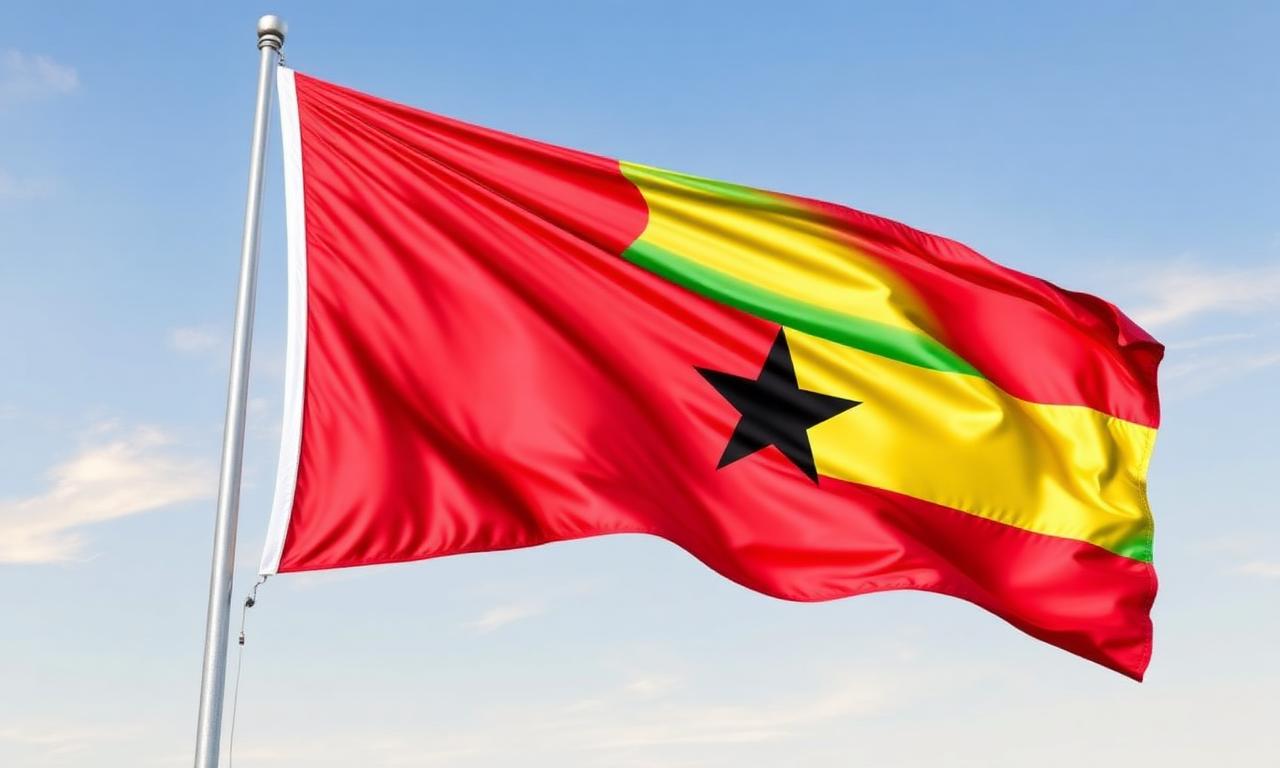
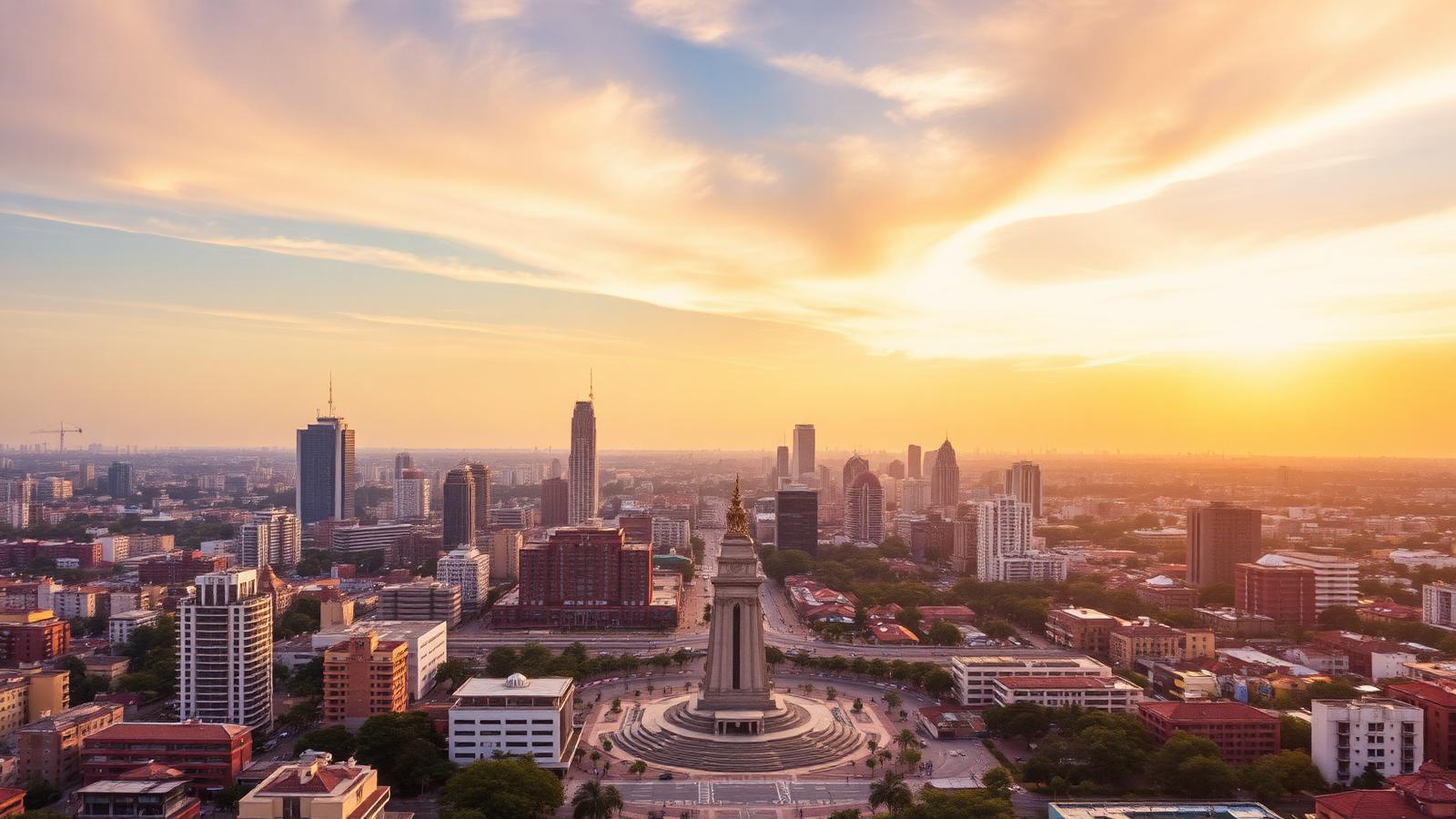
Ghana is divided into 16 administrative regions. Each region has its own capital, languages, traditions, food and beautiful places to visit. Knowing the regions helps you understand the rich variety of life in Ghana.
Originally there were only 10 regions. After a national referendum on 27 December 2018, six new regions were created in 2019.
The Southern Regions
Greater Accra (capital: Accra) is the smallest region by land but the most populated. It is the political and business heart of Ghana, home to Parliament House, Jubilee House and Kotoka International Airport.
Central Region (capital: Cape Coast) is famous for Cape Coast Castle, Elmina Castle and Kakum National Park. It was the centre of colonial Gold Coast.
Western Region (capital: Sekondi-Takoradi) is rich in oil, gold and rainforest. Twin city Sekondi-Takoradi is a major port.
Western North Region (capital: Sefwi Wiawso) was carved out of Western in 2019. It is the heart of Ghana's cocoa country.
The Forest Regions
Ashanti Region (capital: Kumasi) is the cultural heartland of the Asante people. Kumasi, the 'Garden City', hosts the Manhyia Palace and the huge Kejetia market.
Eastern Region (capital: Koforidua) has the Akosombo Dam, Aburi Botanical Gardens and Boti Falls. It is one of Ghana's most scenic regions.
Bono Region (capital: Sunyani), Bono East (capital: Techiman) and Ahafo (capital: Goaso) were all created from the old Brong-Ahafo Region in 2019. They are rich in cocoa, cashew and forest.
The Volta and Oti Regions
Volta Region (capital: Ho) is famous for the Ewe people, beautiful mountains and the Wli Waterfalls — the tallest in West Africa. Mount Afadja, Ghana's highest peak, is here.
Oti Region (capital: Dambai) was carved from Volta in 2019. It is home to Kyabobo National Park.
Advertisement
The Northern Regions
Northern Region (capital: Tamale) is the home of the Dagomba people and the famous Damba festival. Tamale is one of Ghana's fastest-growing cities.
Savannah Region (capital: Damongo), the largest region by land area, is home to Mole National Park where you can see elephants in the wild.
North East Region (capital: Nalerigu) is the historic land of the Mamprusi kingdom.
Upper East Region (capital: Bolgatanga) is famous for Bolga baskets and Sirigu painted houses.
Upper West Region (capital: Wa) is home of the Wala and Dagaaba peoples and the Wechiau Hippo Sanctuary.
Why Six New Regions?
In 2018 President Akufo-Addo's government held a referendum asking whether to create new regions so government services could be closer to the people.
The vote passed overwhelmingly. The result: six new regions — Western North, Oti, Savannah, North East, Bono East and Ahafo — bringing Ghana's total to 16.
Understanding the background
Regions of Ghana is an important topic because it helps learners connect names, dates, places and decisions to the wider story of Ghana. The subject belongs to regions, but it also links with citizenship, geography, culture and moral education. When students read about Regions of Ghana, they are not only memorising facts; they are learning how people solved problems, protected communities, built institutions and passed lessons from one generation to another.
A useful way to study this topic is to begin with the main evidence. One important fact is: Total regions: 16 (since 2019). Another point to remember is: Largest region by area: Savannah. These details give the article a clear anchor. They help learners explain what happened, where it happened, who was involved and why the event or place remains important in Ghanaian life today.
The story should also be read with empathy. History is about real people: leaders making hard choices, ordinary families facing change, traders moving goods, chiefs protecting their people, students demanding a better future, and communities keeping traditions alive. Some parts of Ghana's past are joyful and proud, while others are painful. A good reader respects both sides and tries to understand the human experience behind the facts.
For long reading, pause after each section and ask three simple questions: What is the main idea? Which details support it? How does it connect to Ghana today? This method makes Regions of Ghana easier to remember and easier to discuss in class. It also helps learners write stronger essays because every paragraph can be connected to a clear point, a clear example and a clear explanation.
This topic is also useful for national identity. Ghana is made up of many regions, languages, ethnic groups, faiths and occupations, yet the history of the country shows repeated efforts to build unity. Whether the topic is a president, a castle, a kingdom, a region, a festival or a national event, the lesson is that Ghana's story was built by many hands. Understanding Regions of Ghana helps learners appreciate that shared responsibility.
When preparing for quizzes or examinations, learners should create a short timeline, write down key names, mark important places on a map and explain the meaning of each fact in their own words. Copying sentences is less helpful than retelling the story clearly. If a learner can explain Regions of Ghana to a younger pupil in simple English, then the learner has truly understood the topic.
People, places and decisions
Regions of Ghana is an important topic because it helps learners connect names, dates, places and decisions to the wider story of Ghana. The subject belongs to regions, but it also links with citizenship, geography, culture and moral education. When students read about Regions of Ghana, they are not only memorising facts; they are learning how people solved problems, protected communities, built institutions and passed lessons from one generation to another.
A useful way to study this topic is to begin with the main evidence. One important fact is: Largest region by area: Savannah. Another point to remember is: Smallest by area, biggest by population: Greater Accra. These details give the article a clear anchor. They help learners explain what happened, where it happened, who was involved and why the event or place remains important in Ghanaian life today.
The story should also be read with empathy. History is about real people: leaders making hard choices, ordinary families facing change, traders moving goods, chiefs protecting their people, students demanding a better future, and communities keeping traditions alive. Some parts of Ghana's past are joyful and proud, while others are painful. A good reader respects both sides and tries to understand the human experience behind the facts.
For long reading, pause after each section and ask three simple questions: What is the main idea? Which details support it? How does it connect to Ghana today? This method makes Regions of Ghana easier to remember and easier to discuss in class. It also helps learners write stronger essays because every paragraph can be connected to a clear point, a clear example and a clear explanation.
This topic is also useful for national identity. Ghana is made up of many regions, languages, ethnic groups, faiths and occupations, yet the history of the country shows repeated efforts to build unity. Whether the topic is a president, a castle, a kingdom, a region, a festival or a national event, the lesson is that Ghana's story was built by many hands. Understanding Regions of Ghana helps learners appreciate that shared responsibility.
When preparing for quizzes or examinations, learners should create a short timeline, write down key names, mark important places on a map and explain the meaning of each fact in their own words. Copying sentences is less helpful than retelling the story clearly. If a learner can explain Regions of Ghana to a younger pupil in simple English, then the learner has truly understood the topic.
Cause and effect
Regions of Ghana is an important topic because it helps learners connect names, dates, places and decisions to the wider story of Ghana. The subject belongs to regions, but it also links with citizenship, geography, culture and moral education. When students read about Regions of Ghana, they are not only memorising facts; they are learning how people solved problems, protected communities, built institutions and passed lessons from one generation to another.
A useful way to study this topic is to begin with the main evidence. One important fact is: Smallest by area, biggest by population: Greater Accra. Another point to remember is: Region with the highest mountain: Volta (Mount Afadja, 885 m). These details give the article a clear anchor. They help learners explain what happened, where it happened, who was involved and why the event or place remains important in Ghanaian life today.
The story should also be read with empathy. History is about real people: leaders making hard choices, ordinary families facing change, traders moving goods, chiefs protecting their people, students demanding a better future, and communities keeping traditions alive. Some parts of Ghana's past are joyful and proud, while others are painful. A good reader respects both sides and tries to understand the human experience behind the facts.
For long reading, pause after each section and ask three simple questions: What is the main idea? Which details support it? How does it connect to Ghana today? This method makes Regions of Ghana easier to remember and easier to discuss in class. It also helps learners write stronger essays because every paragraph can be connected to a clear point, a clear example and a clear explanation.
This topic is also useful for national identity. Ghana is made up of many regions, languages, ethnic groups, faiths and occupations, yet the history of the country shows repeated efforts to build unity. Whether the topic is a president, a castle, a kingdom, a region, a festival or a national event, the lesson is that Ghana's story was built by many hands. Understanding Regions of Ghana helps learners appreciate that shared responsibility.
When preparing for quizzes or examinations, learners should create a short timeline, write down key names, mark important places on a map and explain the meaning of each fact in their own words. Copying sentences is less helpful than retelling the story clearly. If a learner can explain Regions of Ghana to a younger pupil in simple English, then the learner has truly understood the topic.
Life in Ghana at the time
Regions of Ghana is an important topic because it helps learners connect names, dates, places and decisions to the wider story of Ghana. The subject belongs to regions, but it also links with citizenship, geography, culture and moral education. When students read about Regions of Ghana, they are not only memorising facts; they are learning how people solved problems, protected communities, built institutions and passed lessons from one generation to another.
A useful way to study this topic is to begin with the main evidence. One important fact is: Region with the highest mountain: Volta (Mount Afadja, 885 m). Another point to remember is: Newest regions: Western North, Oti, Savannah, North East, Bono East, Ahafo. These details give the article a clear anchor. They help learners explain what happened, where it happened, who was involved and why the event or place remains important in Ghanaian life today.
The story should also be read with empathy. History is about real people: leaders making hard choices, ordinary families facing change, traders moving goods, chiefs protecting their people, students demanding a better future, and communities keeping traditions alive. Some parts of Ghana's past are joyful and proud, while others are painful. A good reader respects both sides and tries to understand the human experience behind the facts.
For long reading, pause after each section and ask three simple questions: What is the main idea? Which details support it? How does it connect to Ghana today? This method makes Regions of Ghana easier to remember and easier to discuss in class. It also helps learners write stronger essays because every paragraph can be connected to a clear point, a clear example and a clear explanation.
This topic is also useful for national identity. Ghana is made up of many regions, languages, ethnic groups, faiths and occupations, yet the history of the country shows repeated efforts to build unity. Whether the topic is a president, a castle, a kingdom, a region, a festival or a national event, the lesson is that Ghana's story was built by many hands. Understanding Regions of Ghana helps learners appreciate that shared responsibility.
When preparing for quizzes or examinations, learners should create a short timeline, write down key names, mark important places on a map and explain the meaning of each fact in their own words. Copying sentences is less helpful than retelling the story clearly. If a learner can explain Regions of Ghana to a younger pupil in simple English, then the learner has truly understood the topic.
Why the topic matters today
Regions of Ghana is an important topic because it helps learners connect names, dates, places and decisions to the wider story of Ghana. The subject belongs to regions, but it also links with citizenship, geography, culture and moral education. When students read about Regions of Ghana, they are not only memorising facts; they are learning how people solved problems, protected communities, built institutions and passed lessons from one generation to another.
A useful way to study this topic is to begin with the main evidence. One important fact is: Newest regions: Western North, Oti, Savannah, North East, Bono East, Ahafo. Another point to remember is: Total regions: 16 (since 2019). These details give the article a clear anchor. They help learners explain what happened, where it happened, who was involved and why the event or place remains important in Ghanaian life today.
The story should also be read with empathy. History is about real people: leaders making hard choices, ordinary families facing change, traders moving goods, chiefs protecting their people, students demanding a better future, and communities keeping traditions alive. Some parts of Ghana's past are joyful and proud, while others are painful. A good reader respects both sides and tries to understand the human experience behind the facts.
For long reading, pause after each section and ask three simple questions: What is the main idea? Which details support it? How does it connect to Ghana today? This method makes Regions of Ghana easier to remember and easier to discuss in class. It also helps learners write stronger essays because every paragraph can be connected to a clear point, a clear example and a clear explanation.
This topic is also useful for national identity. Ghana is made up of many regions, languages, ethnic groups, faiths and occupations, yet the history of the country shows repeated efforts to build unity. Whether the topic is a president, a castle, a kingdom, a region, a festival or a national event, the lesson is that Ghana's story was built by many hands. Understanding Regions of Ghana helps learners appreciate that shared responsibility.
When preparing for quizzes or examinations, learners should create a short timeline, write down key names, mark important places on a map and explain the meaning of each fact in their own words. Copying sentences is less helpful than retelling the story clearly. If a learner can explain Regions of Ghana to a younger pupil in simple English, then the learner has truly understood the topic.
Common misunderstandings
Regions of Ghana is an important topic because it helps learners connect names, dates, places and decisions to the wider story of Ghana. The subject belongs to regions, but it also links with citizenship, geography, culture and moral education. When students read about Regions of Ghana, they are not only memorising facts; they are learning how people solved problems, protected communities, built institutions and passed lessons from one generation to another.
A useful way to study this topic is to begin with the main evidence. One important fact is: Total regions: 16 (since 2019). Another point to remember is: Largest region by area: Savannah. These details give the article a clear anchor. They help learners explain what happened, where it happened, who was involved and why the event or place remains important in Ghanaian life today.
The story should also be read with empathy. History is about real people: leaders making hard choices, ordinary families facing change, traders moving goods, chiefs protecting their people, students demanding a better future, and communities keeping traditions alive. Some parts of Ghana's past are joyful and proud, while others are painful. A good reader respects both sides and tries to understand the human experience behind the facts.
For long reading, pause after each section and ask three simple questions: What is the main idea? Which details support it? How does it connect to Ghana today? This method makes Regions of Ghana easier to remember and easier to discuss in class. It also helps learners write stronger essays because every paragraph can be connected to a clear point, a clear example and a clear explanation.
This topic is also useful for national identity. Ghana is made up of many regions, languages, ethnic groups, faiths and occupations, yet the history of the country shows repeated efforts to build unity. Whether the topic is a president, a castle, a kingdom, a region, a festival or a national event, the lesson is that Ghana's story was built by many hands. Understanding Regions of Ghana helps learners appreciate that shared responsibility.
When preparing for quizzes or examinations, learners should create a short timeline, write down key names, mark important places on a map and explain the meaning of each fact in their own words. Copying sentences is less helpful than retelling the story clearly. If a learner can explain Regions of Ghana to a younger pupil in simple English, then the learner has truly understood the topic.
Classroom study notes
Regions of Ghana is an important topic because it helps learners connect names, dates, places and decisions to the wider story of Ghana. The subject belongs to regions, but it also links with citizenship, geography, culture and moral education. When students read about Regions of Ghana, they are not only memorising facts; they are learning how people solved problems, protected communities, built institutions and passed lessons from one generation to another.
A useful way to study this topic is to begin with the main evidence. One important fact is: Largest region by area: Savannah. Another point to remember is: Smallest by area, biggest by population: Greater Accra. These details give the article a clear anchor. They help learners explain what happened, where it happened, who was involved and why the event or place remains important in Ghanaian life today.
The story should also be read with empathy. History is about real people: leaders making hard choices, ordinary families facing change, traders moving goods, chiefs protecting their people, students demanding a better future, and communities keeping traditions alive. Some parts of Ghana's past are joyful and proud, while others are painful. A good reader respects both sides and tries to understand the human experience behind the facts.
For long reading, pause after each section and ask three simple questions: What is the main idea? Which details support it? How does it connect to Ghana today? This method makes Regions of Ghana easier to remember and easier to discuss in class. It also helps learners write stronger essays because every paragraph can be connected to a clear point, a clear example and a clear explanation.
This topic is also useful for national identity. Ghana is made up of many regions, languages, ethnic groups, faiths and occupations, yet the history of the country shows repeated efforts to build unity. Whether the topic is a president, a castle, a kingdom, a region, a festival or a national event, the lesson is that Ghana's story was built by many hands. Understanding Regions of Ghana helps learners appreciate that shared responsibility.
When preparing for quizzes or examinations, learners should create a short timeline, write down key names, mark important places on a map and explain the meaning of each fact in their own words. Copying sentences is less helpful than retelling the story clearly. If a learner can explain Regions of Ghana to a younger pupil in simple English, then the learner has truly understood the topic.
How to remember the lesson
Regions of Ghana is an important topic because it helps learners connect names, dates, places and decisions to the wider story of Ghana. The subject belongs to regions, but it also links with citizenship, geography, culture and moral education. When students read about Regions of Ghana, they are not only memorising facts; they are learning how people solved problems, protected communities, built institutions and passed lessons from one generation to another.
A useful way to study this topic is to begin with the main evidence. One important fact is: Smallest by area, biggest by population: Greater Accra. Another point to remember is: Region with the highest mountain: Volta (Mount Afadja, 885 m). These details give the article a clear anchor. They help learners explain what happened, where it happened, who was involved and why the event or place remains important in Ghanaian life today.
The story should also be read with empathy. History is about real people: leaders making hard choices, ordinary families facing change, traders moving goods, chiefs protecting their people, students demanding a better future, and communities keeping traditions alive. Some parts of Ghana's past are joyful and proud, while others are painful. A good reader respects both sides and tries to understand the human experience behind the facts.
For long reading, pause after each section and ask three simple questions: What is the main idea? Which details support it? How does it connect to Ghana today? This method makes Regions of Ghana easier to remember and easier to discuss in class. It also helps learners write stronger essays because every paragraph can be connected to a clear point, a clear example and a clear explanation.
This topic is also useful for national identity. Ghana is made up of many regions, languages, ethnic groups, faiths and occupations, yet the history of the country shows repeated efforts to build unity. Whether the topic is a president, a castle, a kingdom, a region, a festival or a national event, the lesson is that Ghana's story was built by many hands. Understanding Regions of Ghana helps learners appreciate that shared responsibility.
When preparing for quizzes or examinations, learners should create a short timeline, write down key names, mark important places on a map and explain the meaning of each fact in their own words. Copying sentences is less helpful than retelling the story clearly. If a learner can explain Regions of Ghana to a younger pupil in simple English, then the learner has truly understood the topic.
Questions for deeper thinking
Regions of Ghana is an important topic because it helps learners connect names, dates, places and decisions to the wider story of Ghana. The subject belongs to regions, but it also links with citizenship, geography, culture and moral education. When students read about Regions of Ghana, they are not only memorising facts; they are learning how people solved problems, protected communities, built institutions and passed lessons from one generation to another.
A useful way to study this topic is to begin with the main evidence. One important fact is: Region with the highest mountain: Volta (Mount Afadja, 885 m). Another point to remember is: Newest regions: Western North, Oti, Savannah, North East, Bono East, Ahafo. These details give the article a clear anchor. They help learners explain what happened, where it happened, who was involved and why the event or place remains important in Ghanaian life today.
The story should also be read with empathy. History is about real people: leaders making hard choices, ordinary families facing change, traders moving goods, chiefs protecting their people, students demanding a better future, and communities keeping traditions alive. Some parts of Ghana's past are joyful and proud, while others are painful. A good reader respects both sides and tries to understand the human experience behind the facts.
For long reading, pause after each section and ask three simple questions: What is the main idea? Which details support it? How does it connect to Ghana today? This method makes Regions of Ghana easier to remember and easier to discuss in class. It also helps learners write stronger essays because every paragraph can be connected to a clear point, a clear example and a clear explanation.
This topic is also useful for national identity. Ghana is made up of many regions, languages, ethnic groups, faiths and occupations, yet the history of the country shows repeated efforts to build unity. Whether the topic is a president, a castle, a kingdom, a region, a festival or a national event, the lesson is that Ghana's story was built by many hands. Understanding Regions of Ghana helps learners appreciate that shared responsibility.
When preparing for quizzes or examinations, learners should create a short timeline, write down key names, mark important places on a map and explain the meaning of each fact in their own words. Copying sentences is less helpful than retelling the story clearly. If a learner can explain Regions of Ghana to a younger pupil in simple English, then the learner has truly understood the topic.
Summary
Ghana's 16 regions show how rich, varied and beautiful the country is. From the busy streets of Accra to the savannah plains around Tamale, every region adds its own colour, language and story to the great picture that is Ghana.
Frequently Asked Questions
Q:How many regions does Ghana have?
16, since the 2019 reorganisation.
Q:Which is the newest region?
Six were created together in 2019: Western North, Oti, Savannah, North East, Bono East and Ahafo.
Q:Which region is the capital of Ghana located in?
Greater Accra Region.