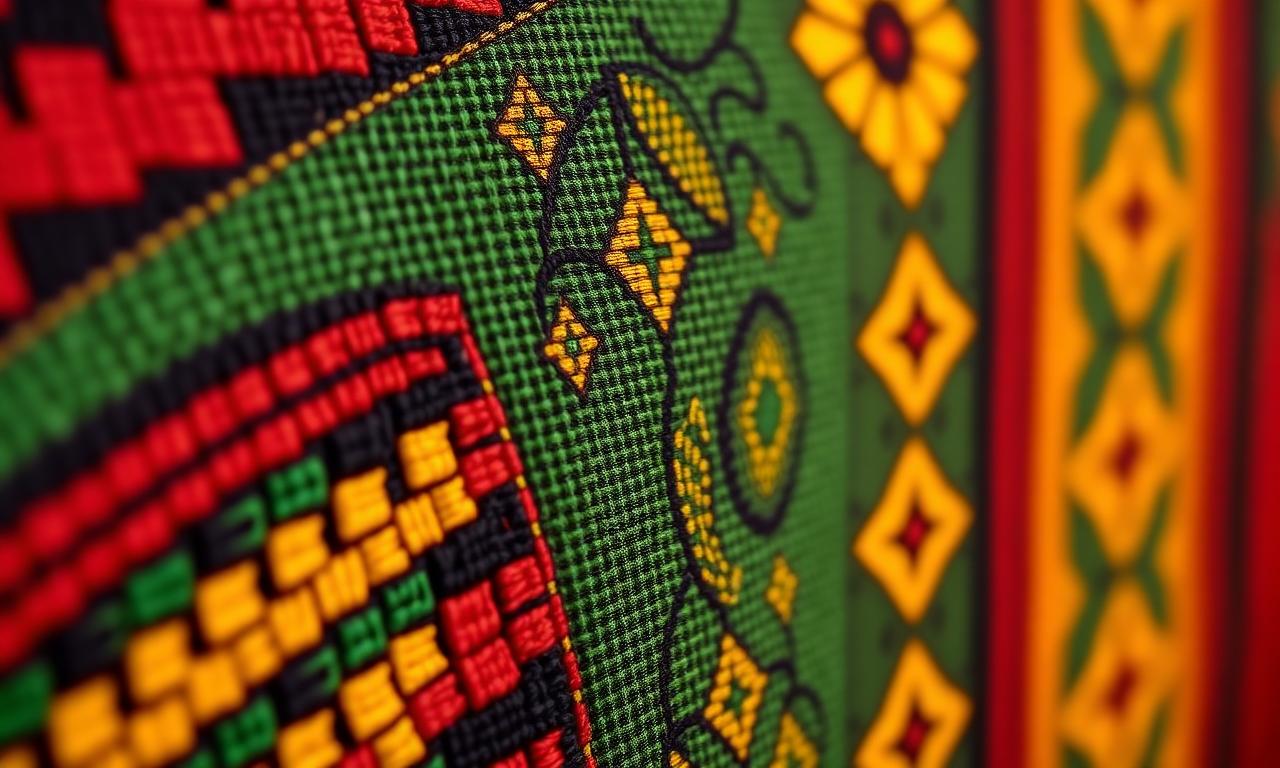
Kente is one of the most recognised African cloths in the world. Woven in narrow strips and then sewn together, its bright colours and bold patterns carry deep meaning. But how was kente first invented, and how is it made today?
This article tells the story of Ghana's most famous cloth — from the legend of the spider to the modern weavers of Bonwire and Kpetoe.
The Legend of Kwaku Ananse
There are several stories about the beginning of kente. The most popular comes from Bonwire in the Ashanti Region. According to tradition, two hunters named Kurugu and Ameyaw went into the forest and saw a spider — Kwaku Ananse — weaving a beautiful web.
They watched the spider for hours, then went home and tried to copy what they had seen using raffia fibres. Later they used cotton threads dyed in different colours. They presented their cloth to the Asantehene, who was so impressed that he made kente weaving a royal craft.
Ewe Kente in the Volta Region
The Ewe people of the Volta Region also have a long tradition of weaving kente, especially in the town of Kpetoe. Ewe kente often uses pictures of animals, household items and symbols woven into the cloth, which makes it slightly different from the more geometric Ashanti kente.
Both Ashanti and Ewe kente are part of Ghana's national heritage, and both can rightly be called Ghanaian kente.
How Kente Is Made
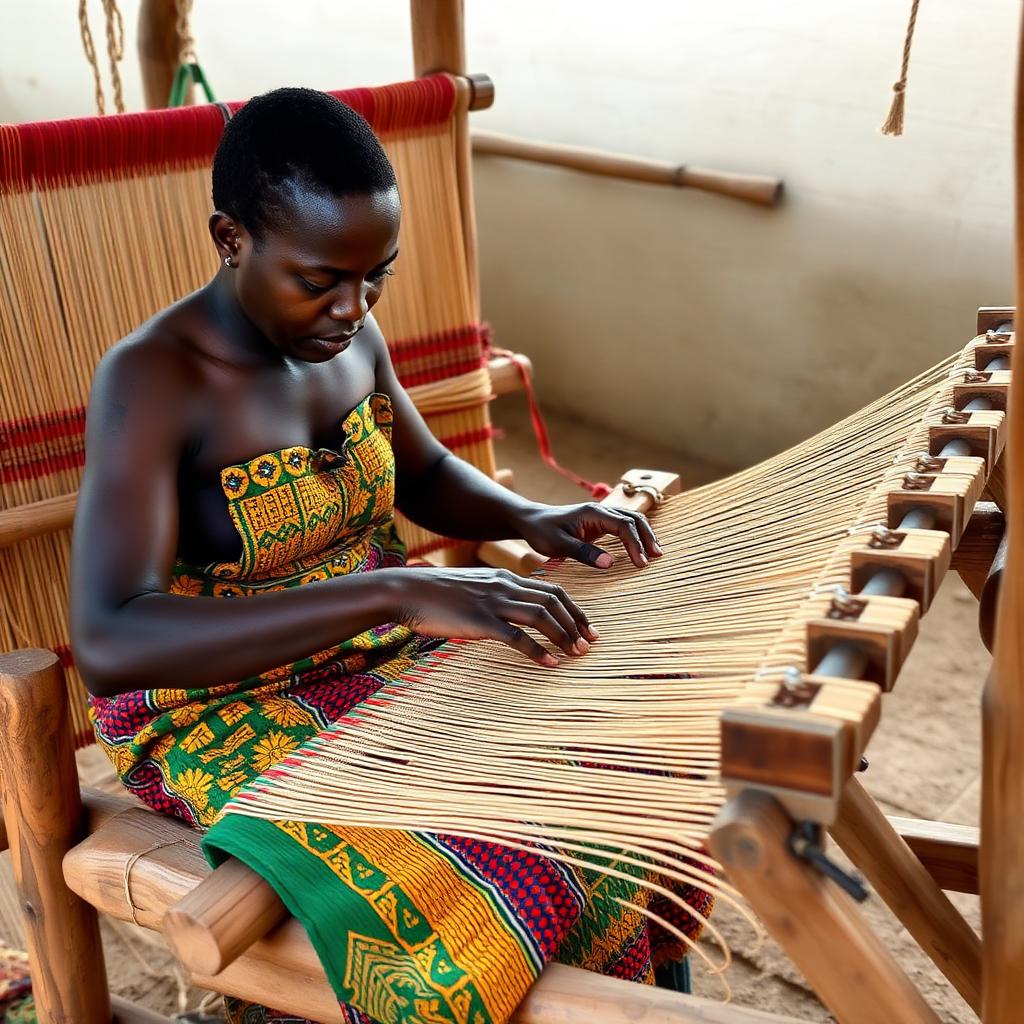
Kente is woven on a narrow horizontal loom that produces strips about 10 cm wide. The weaver sits on a low bench and uses both hands and feet to operate the loom. Each strip can take many hours to weave.
When several strips are finished, they are sewn edge to edge to form a large cloth that is wrapped around the body. A full man's cloth can take a master weaver several weeks to complete.
Advertisement
Colours and Symbols
Every colour in kente has meaning. Gold stands for royalty and wealth, green for growth and harvest, blue for peace and love, red for sacrifice and political struggle, black for maturity and spiritual energy, white for purity and joy.
Each pattern also has its own name and proverb. Famous patterns include Adwinasa ('all the motifs used up'), Sika Futuro ('gold dust'), Oyokoman ('the Oyoko nation') and Emaa Da ('it has not happened before').
Kente Today
Kente is worn at weddings, festivals, graduations and state functions. It has also become a global symbol of African pride — worn by African-American graduates, by world leaders and by celebrities around the world.
Bonwire and Adanwomase in Ashanti, and Kpetoe and Agotime in the Volta Region, are the main centres where you can visit the weavers and watch kente being made by hand.
Understanding the background
How Kente Was Invented and Made in Ghana is an important topic because it helps learners connect names, dates, places and decisions to the wider story of Ghana. The subject belongs to culture & traditions, but it also links with citizenship, geography, culture and moral education. When students read about How Kente Was Invented and Made in Ghana, they are not only memorising facts; they are learning how people solved problems, protected communities, built institutions and passed lessons from one generation to another.
A useful way to study this topic is to begin with the main evidence. One important fact is: Origin legend: Bonwire weavers who watched Kwaku Ananse the spider. Another point to remember is: Two main traditions: Ashanti kente and Ewe kente. These details give the article a clear anchor. They help learners explain what happened, where it happened, who was involved and why the event or place remains important in Ghanaian life today.
The story should also be read with empathy. History is about real people: leaders making hard choices, ordinary families facing change, traders moving goods, chiefs protecting their people, students demanding a better future, and communities keeping traditions alive. Some parts of Ghana's past are joyful and proud, while others are painful. A good reader respects both sides and tries to understand the human experience behind the facts.
For long reading, pause after each section and ask three simple questions: What is the main idea? Which details support it? How does it connect to Ghana today? This method makes How Kente Was Invented and Made in Ghana easier to remember and easier to discuss in class. It also helps learners write stronger essays because every paragraph can be connected to a clear point, a clear example and a clear explanation.
This topic is also useful for national identity. Ghana is made up of many regions, languages, ethnic groups, faiths and occupations, yet the history of the country shows repeated efforts to build unity. Whether the topic is a president, a castle, a kingdom, a region, a festival or a national event, the lesson is that Ghana's story was built by many hands. Understanding How Kente Was Invented and Made in Ghana helps learners appreciate that shared responsibility.
When preparing for quizzes or examinations, learners should create a short timeline, write down key names, mark important places on a map and explain the meaning of each fact in their own words. Copying sentences is less helpful than retelling the story clearly. If a learner can explain How Kente Was Invented and Made in Ghana to a younger pupil in simple English, then the learner has truly understood the topic.
People, places and decisions
How Kente Was Invented and Made in Ghana is an important topic because it helps learners connect names, dates, places and decisions to the wider story of Ghana. The subject belongs to culture & traditions, but it also links with citizenship, geography, culture and moral education. When students read about How Kente Was Invented and Made in Ghana, they are not only memorising facts; they are learning how people solved problems, protected communities, built institutions and passed lessons from one generation to another.
A useful way to study this topic is to begin with the main evidence. One important fact is: Two main traditions: Ashanti kente and Ewe kente. Another point to remember is: Woven on a narrow loom in strips about 10 cm wide. These details give the article a clear anchor. They help learners explain what happened, where it happened, who was involved and why the event or place remains important in Ghanaian life today.
The story should also be read with empathy. History is about real people: leaders making hard choices, ordinary families facing change, traders moving goods, chiefs protecting their people, students demanding a better future, and communities keeping traditions alive. Some parts of Ghana's past are joyful and proud, while others are painful. A good reader respects both sides and tries to understand the human experience behind the facts.
For long reading, pause after each section and ask three simple questions: What is the main idea? Which details support it? How does it connect to Ghana today? This method makes How Kente Was Invented and Made in Ghana easier to remember and easier to discuss in class. It also helps learners write stronger essays because every paragraph can be connected to a clear point, a clear example and a clear explanation.
This topic is also useful for national identity. Ghana is made up of many regions, languages, ethnic groups, faiths and occupations, yet the history of the country shows repeated efforts to build unity. Whether the topic is a president, a castle, a kingdom, a region, a festival or a national event, the lesson is that Ghana's story was built by many hands. Understanding How Kente Was Invented and Made in Ghana helps learners appreciate that shared responsibility.
When preparing for quizzes or examinations, learners should create a short timeline, write down key names, mark important places on a map and explain the meaning of each fact in their own words. Copying sentences is less helpful than retelling the story clearly. If a learner can explain How Kente Was Invented and Made in Ghana to a younger pupil in simple English, then the learner has truly understood the topic.
Cause and effect
How Kente Was Invented and Made in Ghana is an important topic because it helps learners connect names, dates, places and decisions to the wider story of Ghana. The subject belongs to culture & traditions, but it also links with citizenship, geography, culture and moral education. When students read about How Kente Was Invented and Made in Ghana, they are not only memorising facts; they are learning how people solved problems, protected communities, built institutions and passed lessons from one generation to another.
A useful way to study this topic is to begin with the main evidence. One important fact is: Woven on a narrow loom in strips about 10 cm wide. Another point to remember is: Each colour and pattern carries a proverb or meaning. These details give the article a clear anchor. They help learners explain what happened, where it happened, who was involved and why the event or place remains important in Ghanaian life today.
The story should also be read with empathy. History is about real people: leaders making hard choices, ordinary families facing change, traders moving goods, chiefs protecting their people, students demanding a better future, and communities keeping traditions alive. Some parts of Ghana's past are joyful and proud, while others are painful. A good reader respects both sides and tries to understand the human experience behind the facts.
For long reading, pause after each section and ask three simple questions: What is the main idea? Which details support it? How does it connect to Ghana today? This method makes How Kente Was Invented and Made in Ghana easier to remember and easier to discuss in class. It also helps learners write stronger essays because every paragraph can be connected to a clear point, a clear example and a clear explanation.
This topic is also useful for national identity. Ghana is made up of many regions, languages, ethnic groups, faiths and occupations, yet the history of the country shows repeated efforts to build unity. Whether the topic is a president, a castle, a kingdom, a region, a festival or a national event, the lesson is that Ghana's story was built by many hands. Understanding How Kente Was Invented and Made in Ghana helps learners appreciate that shared responsibility.
When preparing for quizzes or examinations, learners should create a short timeline, write down key names, mark important places on a map and explain the meaning of each fact in their own words. Copying sentences is less helpful than retelling the story clearly. If a learner can explain How Kente Was Invented and Made in Ghana to a younger pupil in simple English, then the learner has truly understood the topic.
Life in Ghana at the time
How Kente Was Invented and Made in Ghana is an important topic because it helps learners connect names, dates, places and decisions to the wider story of Ghana. The subject belongs to culture & traditions, but it also links with citizenship, geography, culture and moral education. When students read about How Kente Was Invented and Made in Ghana, they are not only memorising facts; they are learning how people solved problems, protected communities, built institutions and passed lessons from one generation to another.
A useful way to study this topic is to begin with the main evidence. One important fact is: Each colour and pattern carries a proverb or meaning. Another point to remember is: Main centres: Bonwire, Adanwomase, Kpetoe, Agotime. These details give the article a clear anchor. They help learners explain what happened, where it happened, who was involved and why the event or place remains important in Ghanaian life today.
The story should also be read with empathy. History is about real people: leaders making hard choices, ordinary families facing change, traders moving goods, chiefs protecting their people, students demanding a better future, and communities keeping traditions alive. Some parts of Ghana's past are joyful and proud, while others are painful. A good reader respects both sides and tries to understand the human experience behind the facts.
For long reading, pause after each section and ask three simple questions: What is the main idea? Which details support it? How does it connect to Ghana today? This method makes How Kente Was Invented and Made in Ghana easier to remember and easier to discuss in class. It also helps learners write stronger essays because every paragraph can be connected to a clear point, a clear example and a clear explanation.
This topic is also useful for national identity. Ghana is made up of many regions, languages, ethnic groups, faiths and occupations, yet the history of the country shows repeated efforts to build unity. Whether the topic is a president, a castle, a kingdom, a region, a festival or a national event, the lesson is that Ghana's story was built by many hands. Understanding How Kente Was Invented and Made in Ghana helps learners appreciate that shared responsibility.
When preparing for quizzes or examinations, learners should create a short timeline, write down key names, mark important places on a map and explain the meaning of each fact in their own words. Copying sentences is less helpful than retelling the story clearly. If a learner can explain How Kente Was Invented and Made in Ghana to a younger pupil in simple English, then the learner has truly understood the topic.
Why the topic matters today
How Kente Was Invented and Made in Ghana is an important topic because it helps learners connect names, dates, places and decisions to the wider story of Ghana. The subject belongs to culture & traditions, but it also links with citizenship, geography, culture and moral education. When students read about How Kente Was Invented and Made in Ghana, they are not only memorising facts; they are learning how people solved problems, protected communities, built institutions and passed lessons from one generation to another.
A useful way to study this topic is to begin with the main evidence. One important fact is: Main centres: Bonwire, Adanwomase, Kpetoe, Agotime. Another point to remember is: Origin legend: Bonwire weavers who watched Kwaku Ananse the spider. These details give the article a clear anchor. They help learners explain what happened, where it happened, who was involved and why the event or place remains important in Ghanaian life today.
The story should also be read with empathy. History is about real people: leaders making hard choices, ordinary families facing change, traders moving goods, chiefs protecting their people, students demanding a better future, and communities keeping traditions alive. Some parts of Ghana's past are joyful and proud, while others are painful. A good reader respects both sides and tries to understand the human experience behind the facts.
For long reading, pause after each section and ask three simple questions: What is the main idea? Which details support it? How does it connect to Ghana today? This method makes How Kente Was Invented and Made in Ghana easier to remember and easier to discuss in class. It also helps learners write stronger essays because every paragraph can be connected to a clear point, a clear example and a clear explanation.
This topic is also useful for national identity. Ghana is made up of many regions, languages, ethnic groups, faiths and occupations, yet the history of the country shows repeated efforts to build unity. Whether the topic is a president, a castle, a kingdom, a region, a festival or a national event, the lesson is that Ghana's story was built by many hands. Understanding How Kente Was Invented and Made in Ghana helps learners appreciate that shared responsibility.
When preparing for quizzes or examinations, learners should create a short timeline, write down key names, mark important places on a map and explain the meaning of each fact in their own words. Copying sentences is less helpful than retelling the story clearly. If a learner can explain How Kente Was Invented and Made in Ghana to a younger pupil in simple English, then the learner has truly understood the topic.
Common misunderstandings
How Kente Was Invented and Made in Ghana is an important topic because it helps learners connect names, dates, places and decisions to the wider story of Ghana. The subject belongs to culture & traditions, but it also links with citizenship, geography, culture and moral education. When students read about How Kente Was Invented and Made in Ghana, they are not only memorising facts; they are learning how people solved problems, protected communities, built institutions and passed lessons from one generation to another.
A useful way to study this topic is to begin with the main evidence. One important fact is: Origin legend: Bonwire weavers who watched Kwaku Ananse the spider. Another point to remember is: Two main traditions: Ashanti kente and Ewe kente. These details give the article a clear anchor. They help learners explain what happened, where it happened, who was involved and why the event or place remains important in Ghanaian life today.
The story should also be read with empathy. History is about real people: leaders making hard choices, ordinary families facing change, traders moving goods, chiefs protecting their people, students demanding a better future, and communities keeping traditions alive. Some parts of Ghana's past are joyful and proud, while others are painful. A good reader respects both sides and tries to understand the human experience behind the facts.
For long reading, pause after each section and ask three simple questions: What is the main idea? Which details support it? How does it connect to Ghana today? This method makes How Kente Was Invented and Made in Ghana easier to remember and easier to discuss in class. It also helps learners write stronger essays because every paragraph can be connected to a clear point, a clear example and a clear explanation.
This topic is also useful for national identity. Ghana is made up of many regions, languages, ethnic groups, faiths and occupations, yet the history of the country shows repeated efforts to build unity. Whether the topic is a president, a castle, a kingdom, a region, a festival or a national event, the lesson is that Ghana's story was built by many hands. Understanding How Kente Was Invented and Made in Ghana helps learners appreciate that shared responsibility.
When preparing for quizzes or examinations, learners should create a short timeline, write down key names, mark important places on a map and explain the meaning of each fact in their own words. Copying sentences is less helpful than retelling the story clearly. If a learner can explain How Kente Was Invented and Made in Ghana to a younger pupil in simple English, then the learner has truly understood the topic.
Classroom study notes
How Kente Was Invented and Made in Ghana is an important topic because it helps learners connect names, dates, places and decisions to the wider story of Ghana. The subject belongs to culture & traditions, but it also links with citizenship, geography, culture and moral education. When students read about How Kente Was Invented and Made in Ghana, they are not only memorising facts; they are learning how people solved problems, protected communities, built institutions and passed lessons from one generation to another.
A useful way to study this topic is to begin with the main evidence. One important fact is: Two main traditions: Ashanti kente and Ewe kente. Another point to remember is: Woven on a narrow loom in strips about 10 cm wide. These details give the article a clear anchor. They help learners explain what happened, where it happened, who was involved and why the event or place remains important in Ghanaian life today.
The story should also be read with empathy. History is about real people: leaders making hard choices, ordinary families facing change, traders moving goods, chiefs protecting their people, students demanding a better future, and communities keeping traditions alive. Some parts of Ghana's past are joyful and proud, while others are painful. A good reader respects both sides and tries to understand the human experience behind the facts.
For long reading, pause after each section and ask three simple questions: What is the main idea? Which details support it? How does it connect to Ghana today? This method makes How Kente Was Invented and Made in Ghana easier to remember and easier to discuss in class. It also helps learners write stronger essays because every paragraph can be connected to a clear point, a clear example and a clear explanation.
This topic is also useful for national identity. Ghana is made up of many regions, languages, ethnic groups, faiths and occupations, yet the history of the country shows repeated efforts to build unity. Whether the topic is a president, a castle, a kingdom, a region, a festival or a national event, the lesson is that Ghana's story was built by many hands. Understanding How Kente Was Invented and Made in Ghana helps learners appreciate that shared responsibility.
When preparing for quizzes or examinations, learners should create a short timeline, write down key names, mark important places on a map and explain the meaning of each fact in their own words. Copying sentences is less helpful than retelling the story clearly. If a learner can explain How Kente Was Invented and Made in Ghana to a younger pupil in simple English, then the learner has truly understood the topic.
How to remember the lesson
How Kente Was Invented and Made in Ghana is an important topic because it helps learners connect names, dates, places and decisions to the wider story of Ghana. The subject belongs to culture & traditions, but it also links with citizenship, geography, culture and moral education. When students read about How Kente Was Invented and Made in Ghana, they are not only memorising facts; they are learning how people solved problems, protected communities, built institutions and passed lessons from one generation to another.
A useful way to study this topic is to begin with the main evidence. One important fact is: Woven on a narrow loom in strips about 10 cm wide. Another point to remember is: Each colour and pattern carries a proverb or meaning. These details give the article a clear anchor. They help learners explain what happened, where it happened, who was involved and why the event or place remains important in Ghanaian life today.
The story should also be read with empathy. History is about real people: leaders making hard choices, ordinary families facing change, traders moving goods, chiefs protecting their people, students demanding a better future, and communities keeping traditions alive. Some parts of Ghana's past are joyful and proud, while others are painful. A good reader respects both sides and tries to understand the human experience behind the facts.
For long reading, pause after each section and ask three simple questions: What is the main idea? Which details support it? How does it connect to Ghana today? This method makes How Kente Was Invented and Made in Ghana easier to remember and easier to discuss in class. It also helps learners write stronger essays because every paragraph can be connected to a clear point, a clear example and a clear explanation.
This topic is also useful for national identity. Ghana is made up of many regions, languages, ethnic groups, faiths and occupations, yet the history of the country shows repeated efforts to build unity. Whether the topic is a president, a castle, a kingdom, a region, a festival or a national event, the lesson is that Ghana's story was built by many hands. Understanding How Kente Was Invented and Made in Ghana helps learners appreciate that shared responsibility.
When preparing for quizzes or examinations, learners should create a short timeline, write down key names, mark important places on a map and explain the meaning of each fact in their own words. Copying sentences is less helpful than retelling the story clearly. If a learner can explain How Kente Was Invented and Made in Ghana to a younger pupil in simple English, then the learner has truly understood the topic.
Summary
Kente is more than a beautiful cloth. It is a woven storybook of Ghanaian history, philosophy and pride that connects the past with the present.
Frequently Asked Questions
Q:Can anyone wear kente?
Yes, although certain patterns were originally reserved for kings and chiefs.
Q:Is kente made by machine?
Real kente is hand-woven. Printed cloth that looks like kente exists but is not true kente.