Ghana is one of the most culturally rich countries in the world. With over 70 ethnic groups, more than 80 languages and a long history of art, music, dance and respect for tradition, every visitor to Ghana feels welcomed by 'akwaaba' — the famous word for 'welcome'.
This article walks you through the most loved parts of Ghanaian culture in a simple, easy-to-read way.
The People of Ghana
Ghana's biggest ethnic groups are the Akan (Asante, Fante, Akuapem, Akyem, Bono and others), the Mole-Dagbani (Dagomba, Mamprusi, Nanumba and others), the Ewe, the Ga-Adangbe and the Guan.
Each group has its own language but most Ghanaians also speak English, which is the official language used in schools, government and business.
Kente Cloth — The Cloth of Kings
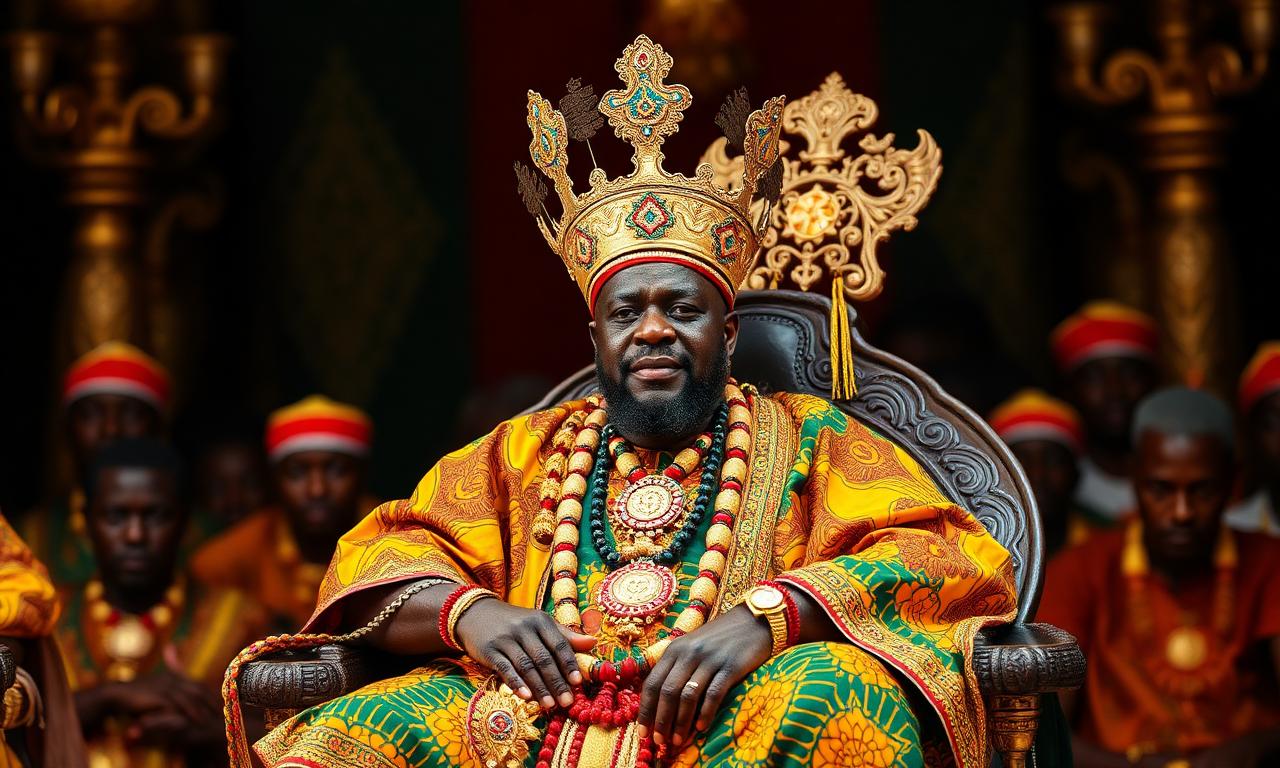
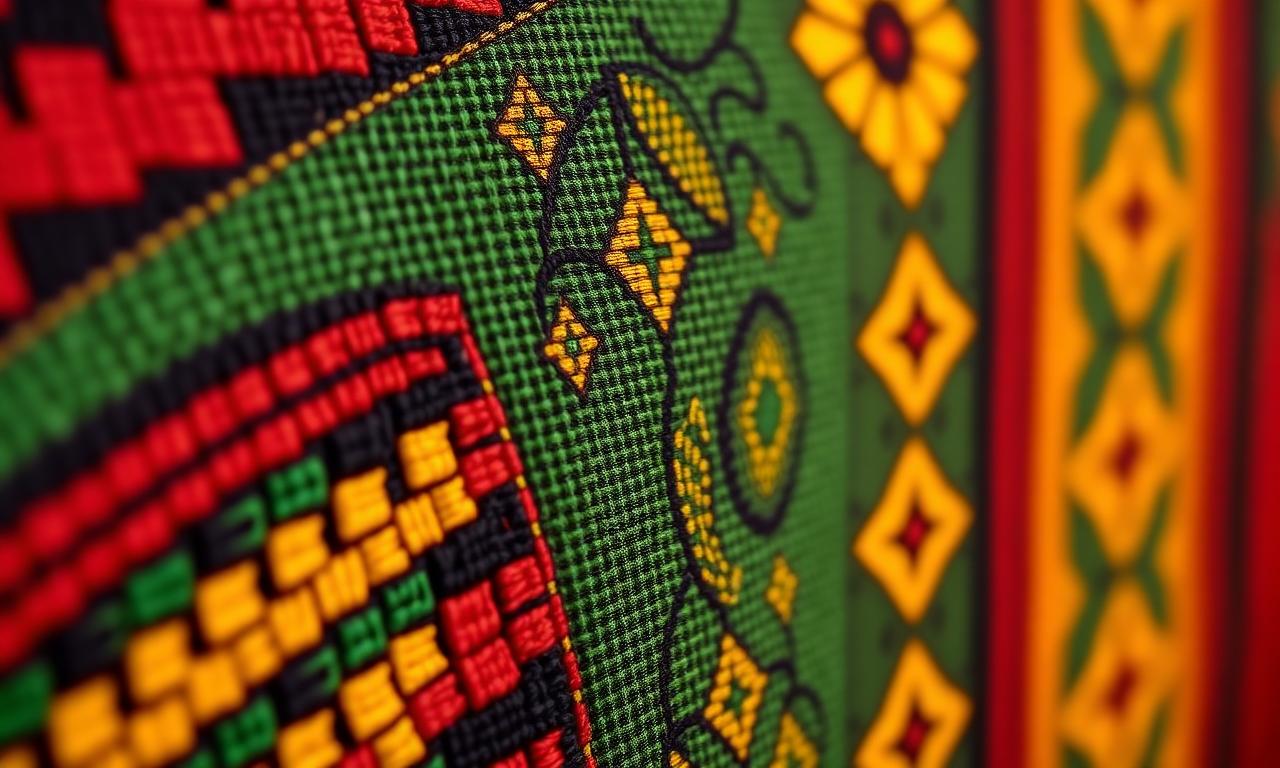
Kente is a brightly coloured woven cloth originally made by the Asante and Ewe people. Long ago, only kings and queens were allowed to wear it on very special days.
Every kente pattern has a name and a meaning. For example, 'Adweneasa' means 'all motifs are exhausted' (the most beautiful cloth). 'Sika Futoro' means 'gold dust' and stands for wealth.
Today kente is worn at graduations, weddings, festivals and even by Black students around the world to celebrate African heritage.
Adinkra Symbols
Adinkra are visual symbols created by the Akan that represent ideas and proverbs. They are printed on cloth, carved on wood and even used in modern logos.
Some popular adinkra symbols are: 'Gye Nyame' (except God — God is supreme), 'Sankofa' (go back and take — never forget your roots), 'Adinkrahene' (chief of adinkra — leadership) and 'Akoma' (the heart — patience and tolerance).
Advertisement
Festivals
Festivals are at the very heart of Ghanaian life. Some of the most famous are:
Homowo — celebrated by the Ga of Greater Accra to remember a great famine that was overcome. The word means 'hooting at hunger'. Special kpokpoi food is shared.
Aboakyer — the deer-hunting festival of the Effutu people of Winneba. Two warrior groups compete to catch a live antelope with bare hands.
Akwasidae — held every six weeks by the Asantehene in Kumasi. The king sits in state in colourful kente cloth at the Manhyia Palace.
Hogbetsotso — celebrated by the Anlo Ewe of Volta Region to remember their escape from a wicked king centuries ago.
Damba — celebrated by the Dagomba and other northern peoples to mark the birth of the Prophet Muhammad and the strength of the chiefs.
Food
Ghanaian food is delicious and full of flavour. Famous dishes include jollof rice (a spicy rice dish much loved across West Africa), banku and tilapia, fufu with light soup or groundnut soup, waakye (rice and beans), red-red (fried plantain with bean stew) and kelewele (spicy fried plantain).
Naming Ceremonies and Day Names
When an Akan child is born, the family holds an outdooring ceremony on the eighth day to introduce the baby to the community. Water and alcohol are placed on the baby's lips to teach the difference between truth and falsehood.
Akan children are also given a 'day name' based on the day of the week they were born. For example: Sunday — Akwasi/Akosua; Monday — Kwadwo/Adwoa; Tuesday — Kwabena/Abenaa; Wednesday — Kwaku/Akua; Thursday — Yaw/Yaa; Friday — Kofi/Afua; Saturday — Kwame/Ama.
Music and Dance
Traditional music uses drums, gong-gong, xylophones (gyil) and flutes. Modern Ghanaian music includes highlife (with stars like E.T. Mensah and Daddy Lumba), hiplife (the mix of hip-hop and highlife pioneered by Reggie Rockstone) and afrobeats stars like Sarkodie, Stonebwoy, Shatta Wale and King Promise.
Respect and Family
Respect for elders is central to Ghanaian life. Greeting people with both hands, kneeling or bowing slightly when meeting an elder, and addressing older people as 'auntie' or 'uncle' even when they are not blood relatives are all part of good manners.
Family is broad — it includes parents, brothers and sisters, but also cousins, aunts, uncles and grandparents who all share in raising the children.
Understanding the background
Ghanaian Culture and Traditions is an important topic because it helps learners connect names, dates, places and decisions to the wider story of Ghana. The subject belongs to culture & traditions, but it also links with citizenship, geography, culture and moral education. When students read about Ghanaian Culture and Traditions, they are not only memorising facts; they are learning how people solved problems, protected communities, built institutions and passed lessons from one generation to another.
A useful way to study this topic is to begin with the main evidence. One important fact is: Over 70 ethnic groups, more than 80 languages. Another point to remember is: Official language: English. These details give the article a clear anchor. They help learners explain what happened, where it happened, who was involved and why the event or place remains important in Ghanaian life today.
The story should also be read with empathy. History is about real people: leaders making hard choices, ordinary families facing change, traders moving goods, chiefs protecting their people, students demanding a better future, and communities keeping traditions alive. Some parts of Ghana's past are joyful and proud, while others are painful. A good reader respects both sides and tries to understand the human experience behind the facts.
For long reading, pause after each section and ask three simple questions: What is the main idea? Which details support it? How does it connect to Ghana today? This method makes Ghanaian Culture and Traditions easier to remember and easier to discuss in class. It also helps learners write stronger essays because every paragraph can be connected to a clear point, a clear example and a clear explanation.
This topic is also useful for national identity. Ghana is made up of many regions, languages, ethnic groups, faiths and occupations, yet the history of the country shows repeated efforts to build unity. Whether the topic is a president, a castle, a kingdom, a region, a festival or a national event, the lesson is that Ghana's story was built by many hands. Understanding Ghanaian Culture and Traditions helps learners appreciate that shared responsibility.
When preparing for quizzes or examinations, learners should create a short timeline, write down key names, mark important places on a map and explain the meaning of each fact in their own words. Copying sentences is less helpful than retelling the story clearly. If a learner can explain Ghanaian Culture and Traditions to a younger pupil in simple English, then the learner has truly understood the topic.
People, places and decisions
Ghanaian Culture and Traditions is an important topic because it helps learners connect names, dates, places and decisions to the wider story of Ghana. The subject belongs to culture & traditions, but it also links with citizenship, geography, culture and moral education. When students read about Ghanaian Culture and Traditions, they are not only memorising facts; they are learning how people solved problems, protected communities, built institutions and passed lessons from one generation to another.
A useful way to study this topic is to begin with the main evidence. One important fact is: Official language: English. Another point to remember is: National dish (favourite): jollof rice. These details give the article a clear anchor. They help learners explain what happened, where it happened, who was involved and why the event or place remains important in Ghanaian life today.
The story should also be read with empathy. History is about real people: leaders making hard choices, ordinary families facing change, traders moving goods, chiefs protecting their people, students demanding a better future, and communities keeping traditions alive. Some parts of Ghana's past are joyful and proud, while others are painful. A good reader respects both sides and tries to understand the human experience behind the facts.
For long reading, pause after each section and ask three simple questions: What is the main idea? Which details support it? How does it connect to Ghana today? This method makes Ghanaian Culture and Traditions easier to remember and easier to discuss in class. It also helps learners write stronger essays because every paragraph can be connected to a clear point, a clear example and a clear explanation.
This topic is also useful for national identity. Ghana is made up of many regions, languages, ethnic groups, faiths and occupations, yet the history of the country shows repeated efforts to build unity. Whether the topic is a president, a castle, a kingdom, a region, a festival or a national event, the lesson is that Ghana's story was built by many hands. Understanding Ghanaian Culture and Traditions helps learners appreciate that shared responsibility.
When preparing for quizzes or examinations, learners should create a short timeline, write down key names, mark important places on a map and explain the meaning of each fact in their own words. Copying sentences is less helpful than retelling the story clearly. If a learner can explain Ghanaian Culture and Traditions to a younger pupil in simple English, then the learner has truly understood the topic.
Cause and effect
Ghanaian Culture and Traditions is an important topic because it helps learners connect names, dates, places and decisions to the wider story of Ghana. The subject belongs to culture & traditions, but it also links with citizenship, geography, culture and moral education. When students read about Ghanaian Culture and Traditions, they are not only memorising facts; they are learning how people solved problems, protected communities, built institutions and passed lessons from one generation to another.
A useful way to study this topic is to begin with the main evidence. One important fact is: National dish (favourite): jollof rice. Another point to remember is: Sacred Akan symbol: Sankofa — 'go back and fetch what is left behind'. These details give the article a clear anchor. They help learners explain what happened, where it happened, who was involved and why the event or place remains important in Ghanaian life today.
The story should also be read with empathy. History is about real people: leaders making hard choices, ordinary families facing change, traders moving goods, chiefs protecting their people, students demanding a better future, and communities keeping traditions alive. Some parts of Ghana's past are joyful and proud, while others are painful. A good reader respects both sides and tries to understand the human experience behind the facts.
For long reading, pause after each section and ask three simple questions: What is the main idea? Which details support it? How does it connect to Ghana today? This method makes Ghanaian Culture and Traditions easier to remember and easier to discuss in class. It also helps learners write stronger essays because every paragraph can be connected to a clear point, a clear example and a clear explanation.
This topic is also useful for national identity. Ghana is made up of many regions, languages, ethnic groups, faiths and occupations, yet the history of the country shows repeated efforts to build unity. Whether the topic is a president, a castle, a kingdom, a region, a festival or a national event, the lesson is that Ghana's story was built by many hands. Understanding Ghanaian Culture and Traditions helps learners appreciate that shared responsibility.
When preparing for quizzes or examinations, learners should create a short timeline, write down key names, mark important places on a map and explain the meaning of each fact in their own words. Copying sentences is less helpful than retelling the story clearly. If a learner can explain Ghanaian Culture and Traditions to a younger pupil in simple English, then the learner has truly understood the topic.
Life in Ghana at the time
Ghanaian Culture and Traditions is an important topic because it helps learners connect names, dates, places and decisions to the wider story of Ghana. The subject belongs to culture & traditions, but it also links with citizenship, geography, culture and moral education. When students read about Ghanaian Culture and Traditions, they are not only memorising facts; they are learning how people solved problems, protected communities, built institutions and passed lessons from one generation to another.
A useful way to study this topic is to begin with the main evidence. One important fact is: Sacred Akan symbol: Sankofa — 'go back and fetch what is left behind'. Another point to remember is: Famous traditional cloth: kente. These details give the article a clear anchor. They help learners explain what happened, where it happened, who was involved and why the event or place remains important in Ghanaian life today.
The story should also be read with empathy. History is about real people: leaders making hard choices, ordinary families facing change, traders moving goods, chiefs protecting their people, students demanding a better future, and communities keeping traditions alive. Some parts of Ghana's past are joyful and proud, while others are painful. A good reader respects both sides and tries to understand the human experience behind the facts.
For long reading, pause after each section and ask three simple questions: What is the main idea? Which details support it? How does it connect to Ghana today? This method makes Ghanaian Culture and Traditions easier to remember and easier to discuss in class. It also helps learners write stronger essays because every paragraph can be connected to a clear point, a clear example and a clear explanation.
This topic is also useful for national identity. Ghana is made up of many regions, languages, ethnic groups, faiths and occupations, yet the history of the country shows repeated efforts to build unity. Whether the topic is a president, a castle, a kingdom, a region, a festival or a national event, the lesson is that Ghana's story was built by many hands. Understanding Ghanaian Culture and Traditions helps learners appreciate that shared responsibility.
When preparing for quizzes or examinations, learners should create a short timeline, write down key names, mark important places on a map and explain the meaning of each fact in their own words. Copying sentences is less helpful than retelling the story clearly. If a learner can explain Ghanaian Culture and Traditions to a younger pupil in simple English, then the learner has truly understood the topic.
Why the topic matters today
Ghanaian Culture and Traditions is an important topic because it helps learners connect names, dates, places and decisions to the wider story of Ghana. The subject belongs to culture & traditions, but it also links with citizenship, geography, culture and moral education. When students read about Ghanaian Culture and Traditions, they are not only memorising facts; they are learning how people solved problems, protected communities, built institutions and passed lessons from one generation to another.
A useful way to study this topic is to begin with the main evidence. One important fact is: Famous traditional cloth: kente. Another point to remember is: Over 70 ethnic groups, more than 80 languages. These details give the article a clear anchor. They help learners explain what happened, where it happened, who was involved and why the event or place remains important in Ghanaian life today.
The story should also be read with empathy. History is about real people: leaders making hard choices, ordinary families facing change, traders moving goods, chiefs protecting their people, students demanding a better future, and communities keeping traditions alive. Some parts of Ghana's past are joyful and proud, while others are painful. A good reader respects both sides and tries to understand the human experience behind the facts.
For long reading, pause after each section and ask three simple questions: What is the main idea? Which details support it? How does it connect to Ghana today? This method makes Ghanaian Culture and Traditions easier to remember and easier to discuss in class. It also helps learners write stronger essays because every paragraph can be connected to a clear point, a clear example and a clear explanation.
This topic is also useful for national identity. Ghana is made up of many regions, languages, ethnic groups, faiths and occupations, yet the history of the country shows repeated efforts to build unity. Whether the topic is a president, a castle, a kingdom, a region, a festival or a national event, the lesson is that Ghana's story was built by many hands. Understanding Ghanaian Culture and Traditions helps learners appreciate that shared responsibility.
When preparing for quizzes or examinations, learners should create a short timeline, write down key names, mark important places on a map and explain the meaning of each fact in their own words. Copying sentences is less helpful than retelling the story clearly. If a learner can explain Ghanaian Culture and Traditions to a younger pupil in simple English, then the learner has truly understood the topic.
Common misunderstandings
Ghanaian Culture and Traditions is an important topic because it helps learners connect names, dates, places and decisions to the wider story of Ghana. The subject belongs to culture & traditions, but it also links with citizenship, geography, culture and moral education. When students read about Ghanaian Culture and Traditions, they are not only memorising facts; they are learning how people solved problems, protected communities, built institutions and passed lessons from one generation to another.
A useful way to study this topic is to begin with the main evidence. One important fact is: Over 70 ethnic groups, more than 80 languages. Another point to remember is: Official language: English. These details give the article a clear anchor. They help learners explain what happened, where it happened, who was involved and why the event or place remains important in Ghanaian life today.
The story should also be read with empathy. History is about real people: leaders making hard choices, ordinary families facing change, traders moving goods, chiefs protecting their people, students demanding a better future, and communities keeping traditions alive. Some parts of Ghana's past are joyful and proud, while others are painful. A good reader respects both sides and tries to understand the human experience behind the facts.
For long reading, pause after each section and ask three simple questions: What is the main idea? Which details support it? How does it connect to Ghana today? This method makes Ghanaian Culture and Traditions easier to remember and easier to discuss in class. It also helps learners write stronger essays because every paragraph can be connected to a clear point, a clear example and a clear explanation.
This topic is also useful for national identity. Ghana is made up of many regions, languages, ethnic groups, faiths and occupations, yet the history of the country shows repeated efforts to build unity. Whether the topic is a president, a castle, a kingdom, a region, a festival or a national event, the lesson is that Ghana's story was built by many hands. Understanding Ghanaian Culture and Traditions helps learners appreciate that shared responsibility.
When preparing for quizzes or examinations, learners should create a short timeline, write down key names, mark important places on a map and explain the meaning of each fact in their own words. Copying sentences is less helpful than retelling the story clearly. If a learner can explain Ghanaian Culture and Traditions to a younger pupil in simple English, then the learner has truly understood the topic.
Classroom study notes
Ghanaian Culture and Traditions is an important topic because it helps learners connect names, dates, places and decisions to the wider story of Ghana. The subject belongs to culture & traditions, but it also links with citizenship, geography, culture and moral education. When students read about Ghanaian Culture and Traditions, they are not only memorising facts; they are learning how people solved problems, protected communities, built institutions and passed lessons from one generation to another.
A useful way to study this topic is to begin with the main evidence. One important fact is: Official language: English. Another point to remember is: National dish (favourite): jollof rice. These details give the article a clear anchor. They help learners explain what happened, where it happened, who was involved and why the event or place remains important in Ghanaian life today.
The story should also be read with empathy. History is about real people: leaders making hard choices, ordinary families facing change, traders moving goods, chiefs protecting their people, students demanding a better future, and communities keeping traditions alive. Some parts of Ghana's past are joyful and proud, while others are painful. A good reader respects both sides and tries to understand the human experience behind the facts.
For long reading, pause after each section and ask three simple questions: What is the main idea? Which details support it? How does it connect to Ghana today? This method makes Ghanaian Culture and Traditions easier to remember and easier to discuss in class. It also helps learners write stronger essays because every paragraph can be connected to a clear point, a clear example and a clear explanation.
This topic is also useful for national identity. Ghana is made up of many regions, languages, ethnic groups, faiths and occupations, yet the history of the country shows repeated efforts to build unity. Whether the topic is a president, a castle, a kingdom, a region, a festival or a national event, the lesson is that Ghana's story was built by many hands. Understanding Ghanaian Culture and Traditions helps learners appreciate that shared responsibility.
When preparing for quizzes or examinations, learners should create a short timeline, write down key names, mark important places on a map and explain the meaning of each fact in their own words. Copying sentences is less helpful than retelling the story clearly. If a learner can explain Ghanaian Culture and Traditions to a younger pupil in simple English, then the learner has truly understood the topic.
How to remember the lesson
Ghanaian Culture and Traditions is an important topic because it helps learners connect names, dates, places and decisions to the wider story of Ghana. The subject belongs to culture & traditions, but it also links with citizenship, geography, culture and moral education. When students read about Ghanaian Culture and Traditions, they are not only memorising facts; they are learning how people solved problems, protected communities, built institutions and passed lessons from one generation to another.
A useful way to study this topic is to begin with the main evidence. One important fact is: National dish (favourite): jollof rice. Another point to remember is: Sacred Akan symbol: Sankofa — 'go back and fetch what is left behind'. These details give the article a clear anchor. They help learners explain what happened, where it happened, who was involved and why the event or place remains important in Ghanaian life today.
The story should also be read with empathy. History is about real people: leaders making hard choices, ordinary families facing change, traders moving goods, chiefs protecting their people, students demanding a better future, and communities keeping traditions alive. Some parts of Ghana's past are joyful and proud, while others are painful. A good reader respects both sides and tries to understand the human experience behind the facts.
For long reading, pause after each section and ask three simple questions: What is the main idea? Which details support it? How does it connect to Ghana today? This method makes Ghanaian Culture and Traditions easier to remember and easier to discuss in class. It also helps learners write stronger essays because every paragraph can be connected to a clear point, a clear example and a clear explanation.
This topic is also useful for national identity. Ghana is made up of many regions, languages, ethnic groups, faiths and occupations, yet the history of the country shows repeated efforts to build unity. Whether the topic is a president, a castle, a kingdom, a region, a festival or a national event, the lesson is that Ghana's story was built by many hands. Understanding Ghanaian Culture and Traditions helps learners appreciate that shared responsibility.
When preparing for quizzes or examinations, learners should create a short timeline, write down key names, mark important places on a map and explain the meaning of each fact in their own words. Copying sentences is less helpful than retelling the story clearly. If a learner can explain Ghanaian Culture and Traditions to a younger pupil in simple English, then the learner has truly understood the topic.
Summary
From colourful kente cloth to delicious jollof, from booming Damba drums to wise adinkra symbols, Ghanaian culture is a treasure that connects the past to the present. To learn this culture is to learn how to live with warmth, respect and joy.
Frequently Asked Questions
Q:What does 'akwaaba' mean?
It is the Akan word for 'welcome'. You will see it written at airports, hotels and schools all over Ghana.
Q:What is Sankofa?
An adinkra symbol of a bird looking backwards. It teaches that we should learn from the past while moving forward.
Q:How many ethnic groups are in Ghana?
More than 70, but they all live together peacefully under one flag.