Colonial rule in Ghana refers to the period when the British government controlled the area we now call Ghana. At that time the country was called the Gold Coast because of the large amount of gold the Europeans found here.
Although the Portuguese, Dutch, Swedes and Danes had earlier built forts along our coast, it was the British who finally took political control. From 1874 until 1957, the Gold Coast was a British colony. This article explains how that happened, who the main actors were, what changed for ordinary people, and the lessons we can take from those years.
Background and Historical Overview
Before colonial rule, the land we now call Ghana was made up of many independent kingdoms and states such as Asante, Denkyira, Akyem, Fante, Ga, Ewe, Dagomba and Gonja. Each had its own chief, laws, army, market and religion. They traded gold, kola nuts, salt, cloth and food with one another.
Europeans first came to the coast in 1471 when the Portuguese landed at Shama. For more than three hundred years European traders built forts and castles along the shore, but they did not rule the interior. The chiefs were still in charge of their lands.
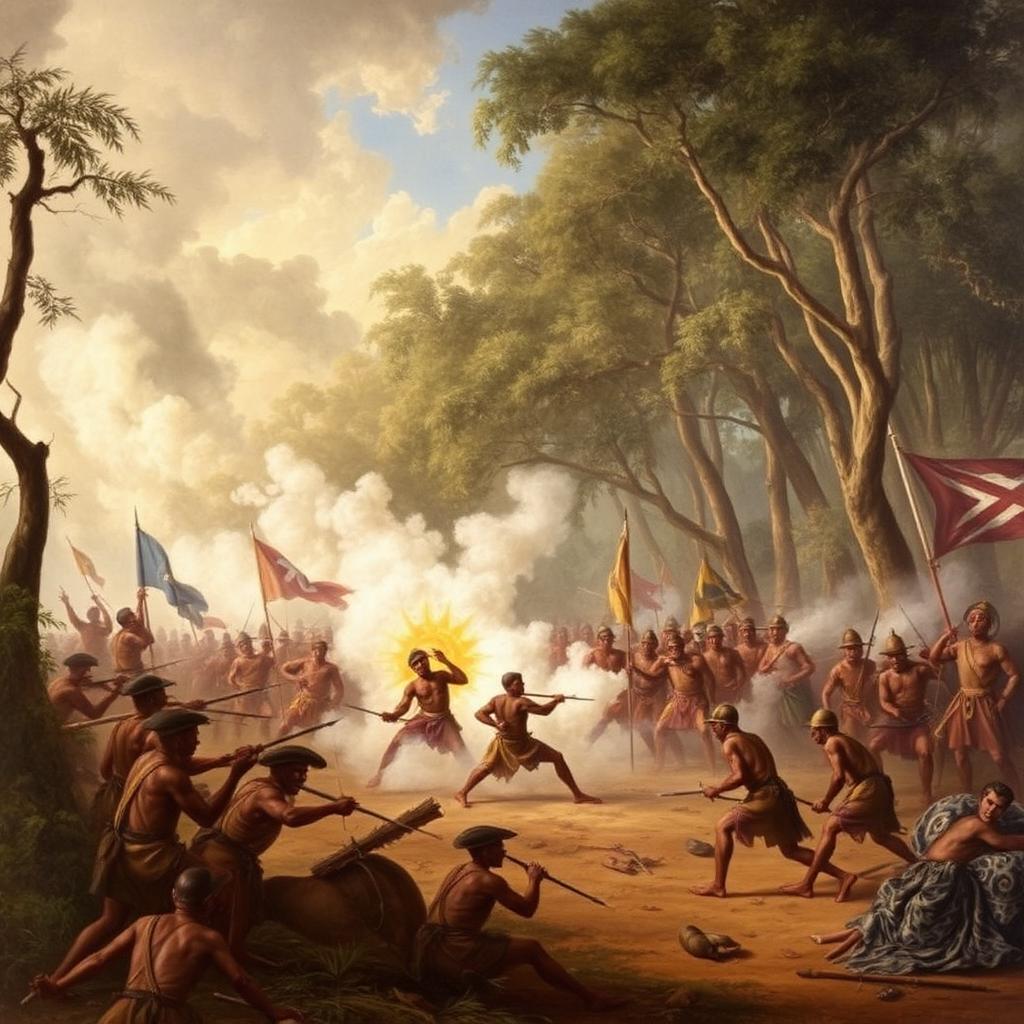
The situation changed in the 1800s. The British defeated the Asante in several wars, signed bond agreements with coastal chiefs, and gradually took political power. On 24 July 1874 they officially declared the Gold Coast a British Crown Colony. Later, after the Yaa Asantewaa War of 1900, the Asante kingdom was added in 1902, and the Northern Territories became a protectorate the same year. By 1919 the British also took control of the western part of German Togoland after the First World War.
Main Events Explained Clearly
1844 — Bond of 1844. Several Fante chiefs signed an agreement with the British that allowed British judges to try serious cases. Many historians call this the first legal step toward British rule.
1850 — The British bought the Danish forts (including Christiansborg in Accra). In 1872 they bought the Dutch forts including Elmina. This left Britain as the only European power on the coast.
1874 — The Gold Coast was officially declared a British Crown Colony with its capital first at Cape Coast and later moved to Accra in 1877.
1896–1902 — A series of Anglo-Asante wars ended with the exile of Asantehene Prempeh I to the Seychelles and the addition of Asante to the colony.
1900 — The Yaa Asantewaa War (War of the Golden Stool) broke out when the British governor demanded to sit on the sacred Golden Stool.
1925 — Governor Gordon Guggisberg introduced a new constitution that allowed a small number of Africans onto the Legislative Council. He also built Korle-Bu Hospital, Achimota School and Takoradi Harbour.
1948 — Ex-servicemen marched to Christiansborg Castle to demand their pensions. Three were shot dead. The Accra Riots that followed shook the colonial government and led to the arrest of the Big Six.
1951 — After the Watson Commission and the Coussey Committee, a new constitution was drawn up. Elections were held and Kwame Nkrumah's CPP won, marking the beginning of internal self-government.
1957 — On 6 March 1957, the Gold Coast became independent under the new name Ghana, ending British colonial rule.
Important People Involved
George Maclean — a British officer who acted as President of the Council of Merchants in the 1830s and helped extend British influence beyond the forts.
Sir Garnet Wolseley — led the British army that burnt Kumasi during the Sagrenti War of 1874.
Asantehene Prempeh I — the Asante king who was exiled to the Seychelles in 1896 for refusing to accept a British protectorate.
Yaa Asantewaa — Queen Mother of Ejisu who led the Asante in the 1900 War of the Golden Stool.
Sir Frederick Gordon Guggisberg — Governor (1919–1927) remembered for building Achimota School, Korle-Bu Hospital and Takoradi Harbour.
Dr. J.B. Danquah, Kwame Nkrumah and the rest of the Big Six — political leaders whose arrest in 1948 sped up the end of colonial rule.
Advertisement
Causes and Effects
Causes of colonial rule: the search for gold and other raw materials, the desire to control trade routes, rivalry with other European powers, the abolition of the slave trade which pushed Europeans to look for other goods, and the use of stronger weapons such as the Maxim gun which made resistance very difficult.
Positive effects: new roads, railways and harbours; the introduction of cocoa as a cash crop by Tetteh Quarshie in 1879; the building of Western-style schools and hospitals; the use of English as a common language; and the joining together of many small states into one larger country with shared borders.
Negative effects: loss of independence and traditional power for chiefs; the indirect-rule system that often weakened African political systems; heavy taxes on cocoa farmers and traders; racial discrimination; the export of raw materials at low prices while finished goods were imported at high prices; and the slow growth of local industries.
Simple Real-Life Explanation
Imagine a large compound house where many families live happily, each with its own room and its own way of cooking. One day a stranger walks in, builds a strong wall around the whole compound, and tells every family that from now on he will collect the rent, choose the head of the house, decide which language to speak and which school the children must attend. The families still cook in their own rooms, but they no longer make the big decisions.
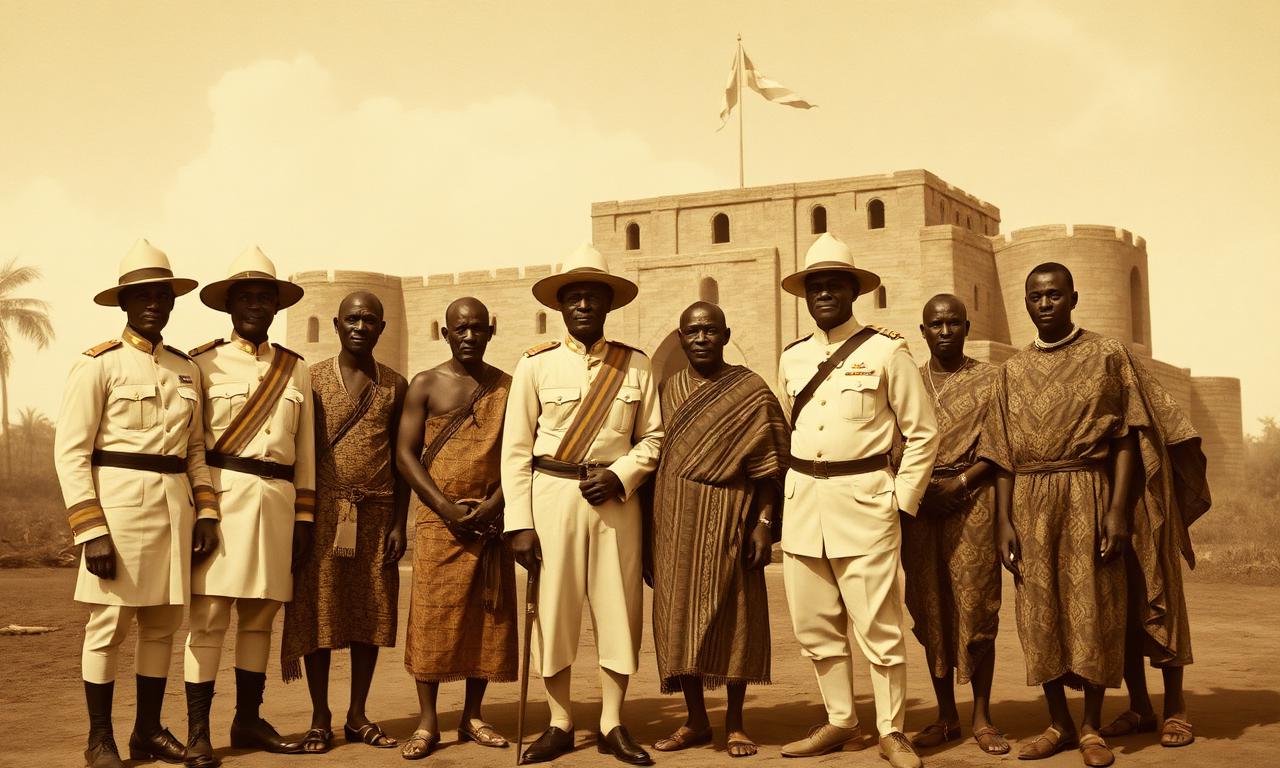
That is similar to what colonial rule meant for the people of the Gold Coast. The chiefs were still there, the festivals were still celebrated, but the final word on laws, taxes, trade and education came from the British Governor in Christiansborg Castle.
Understanding the background
Colonial Rule in Ghana is an important topic because it helps learners connect names, dates, places and decisions to the wider story of Ghana. The subject belongs to history, but it also links with citizenship, geography, culture and moral education. When students read about Colonial Rule in Ghana, they are not only memorising facts; they are learning how people solved problems, protected communities, built institutions and passed lessons from one generation to another.
A useful way to study this topic is to begin with the main evidence. One important fact is: Key lesson 1: Disunity among African states made it easier for one European power to take control.. Another point to remember is: Key lesson 2: Education and a free press were powerful tools that helped Ghanaians demand their freedom.. These details give the article a clear anchor. They help learners explain what happened, where it happened, who was involved and why the event or place remains important in Ghanaian life today.
The story should also be read with empathy. History is about real people: leaders making hard choices, ordinary families facing change, traders moving goods, chiefs protecting their people, students demanding a better future, and communities keeping traditions alive. Some parts of Ghana's past are joyful and proud, while others are painful. A good reader respects both sides and tries to understand the human experience behind the facts.
For long reading, pause after each section and ask three simple questions: What is the main idea? Which details support it? How does it connect to Ghana today? This method makes Colonial Rule in Ghana easier to remember and easier to discuss in class. It also helps learners write stronger essays because every paragraph can be connected to a clear point, a clear example and a clear explanation.
This topic is also useful for national identity. Ghana is made up of many regions, languages, ethnic groups, faiths and occupations, yet the history of the country shows repeated efforts to build unity. Whether the topic is a president, a castle, a kingdom, a region, a festival or a national event, the lesson is that Ghana's story was built by many hands. Understanding Colonial Rule in Ghana helps learners appreciate that shared responsibility.
When preparing for quizzes or examinations, learners should create a short timeline, write down key names, mark important places on a map and explain the meaning of each fact in their own words. Copying sentences is less helpful than retelling the story clearly. If a learner can explain Colonial Rule in Ghana to a younger pupil in simple English, then the learner has truly understood the topic.
People, places and decisions
Colonial Rule in Ghana is an important topic because it helps learners connect names, dates, places and decisions to the wider story of Ghana. The subject belongs to history, but it also links with citizenship, geography, culture and moral education. When students read about Colonial Rule in Ghana, they are not only memorising facts; they are learning how people solved problems, protected communities, built institutions and passed lessons from one generation to another.
A useful way to study this topic is to begin with the main evidence. One important fact is: Key lesson 2: Education and a free press were powerful tools that helped Ghanaians demand their freedom.. Another point to remember is: Key lesson 3: Economic dependence on a single crop (cocoa) made the colony vulnerable to world price changes.. These details give the article a clear anchor. They help learners explain what happened, where it happened, who was involved and why the event or place remains important in Ghanaian life today.
The story should also be read with empathy. History is about real people: leaders making hard choices, ordinary families facing change, traders moving goods, chiefs protecting their people, students demanding a better future, and communities keeping traditions alive. Some parts of Ghana's past are joyful and proud, while others are painful. A good reader respects both sides and tries to understand the human experience behind the facts.
For long reading, pause after each section and ask three simple questions: What is the main idea? Which details support it? How does it connect to Ghana today? This method makes Colonial Rule in Ghana easier to remember and easier to discuss in class. It also helps learners write stronger essays because every paragraph can be connected to a clear point, a clear example and a clear explanation.
This topic is also useful for national identity. Ghana is made up of many regions, languages, ethnic groups, faiths and occupations, yet the history of the country shows repeated efforts to build unity. Whether the topic is a president, a castle, a kingdom, a region, a festival or a national event, the lesson is that Ghana's story was built by many hands. Understanding Colonial Rule in Ghana helps learners appreciate that shared responsibility.
When preparing for quizzes or examinations, learners should create a short timeline, write down key names, mark important places on a map and explain the meaning of each fact in their own words. Copying sentences is less helpful than retelling the story clearly. If a learner can explain Colonial Rule in Ghana to a younger pupil in simple English, then the learner has truly understood the topic.
Cause and effect
Colonial Rule in Ghana is an important topic because it helps learners connect names, dates, places and decisions to the wider story of Ghana. The subject belongs to history, but it also links with citizenship, geography, culture and moral education. When students read about Colonial Rule in Ghana, they are not only memorising facts; they are learning how people solved problems, protected communities, built institutions and passed lessons from one generation to another.
A useful way to study this topic is to begin with the main evidence. One important fact is: Key lesson 3: Economic dependence on a single crop (cocoa) made the colony vulnerable to world price changes.. Another point to remember is: Key lesson 4: Peaceful protest, like the 1948 ex-servicemen's march, can change history just as much as war.. These details give the article a clear anchor. They help learners explain what happened, where it happened, who was involved and why the event or place remains important in Ghanaian life today.
The story should also be read with empathy. History is about real people: leaders making hard choices, ordinary families facing change, traders moving goods, chiefs protecting their people, students demanding a better future, and communities keeping traditions alive. Some parts of Ghana's past are joyful and proud, while others are painful. A good reader respects both sides and tries to understand the human experience behind the facts.
For long reading, pause after each section and ask three simple questions: What is the main idea? Which details support it? How does it connect to Ghana today? This method makes Colonial Rule in Ghana easier to remember and easier to discuss in class. It also helps learners write stronger essays because every paragraph can be connected to a clear point, a clear example and a clear explanation.
This topic is also useful for national identity. Ghana is made up of many regions, languages, ethnic groups, faiths and occupations, yet the history of the country shows repeated efforts to build unity. Whether the topic is a president, a castle, a kingdom, a region, a festival or a national event, the lesson is that Ghana's story was built by many hands. Understanding Colonial Rule in Ghana helps learners appreciate that shared responsibility.
When preparing for quizzes or examinations, learners should create a short timeline, write down key names, mark important places on a map and explain the meaning of each fact in their own words. Copying sentences is less helpful than retelling the story clearly. If a learner can explain Colonial Rule in Ghana to a younger pupil in simple English, then the learner has truly understood the topic.
Life in Ghana at the time
Colonial Rule in Ghana is an important topic because it helps learners connect names, dates, places and decisions to the wider story of Ghana. The subject belongs to history, but it also links with citizenship, geography, culture and moral education. When students read about Colonial Rule in Ghana, they are not only memorising facts; they are learning how people solved problems, protected communities, built institutions and passed lessons from one generation to another.
A useful way to study this topic is to begin with the main evidence. One important fact is: Key lesson 4: Peaceful protest, like the 1948 ex-servicemen's march, can change history just as much as war.. Another point to remember is: Key lesson 5: True development must be planned by the people themselves, not imposed from outside.. These details give the article a clear anchor. They help learners explain what happened, where it happened, who was involved and why the event or place remains important in Ghanaian life today.
The story should also be read with empathy. History is about real people: leaders making hard choices, ordinary families facing change, traders moving goods, chiefs protecting their people, students demanding a better future, and communities keeping traditions alive. Some parts of Ghana's past are joyful and proud, while others are painful. A good reader respects both sides and tries to understand the human experience behind the facts.
For long reading, pause after each section and ask three simple questions: What is the main idea? Which details support it? How does it connect to Ghana today? This method makes Colonial Rule in Ghana easier to remember and easier to discuss in class. It also helps learners write stronger essays because every paragraph can be connected to a clear point, a clear example and a clear explanation.
This topic is also useful for national identity. Ghana is made up of many regions, languages, ethnic groups, faiths and occupations, yet the history of the country shows repeated efforts to build unity. Whether the topic is a president, a castle, a kingdom, a region, a festival or a national event, the lesson is that Ghana's story was built by many hands. Understanding Colonial Rule in Ghana helps learners appreciate that shared responsibility.
When preparing for quizzes or examinations, learners should create a short timeline, write down key names, mark important places on a map and explain the meaning of each fact in their own words. Copying sentences is less helpful than retelling the story clearly. If a learner can explain Colonial Rule in Ghana to a younger pupil in simple English, then the learner has truly understood the topic.
Why the topic matters today
Colonial Rule in Ghana is an important topic because it helps learners connect names, dates, places and decisions to the wider story of Ghana. The subject belongs to history, but it also links with citizenship, geography, culture and moral education. When students read about Colonial Rule in Ghana, they are not only memorising facts; they are learning how people solved problems, protected communities, built institutions and passed lessons from one generation to another.
A useful way to study this topic is to begin with the main evidence. One important fact is: Key lesson 5: True development must be planned by the people themselves, not imposed from outside.. Another point to remember is: Key lesson 1: Disunity among African states made it easier for one European power to take control.. These details give the article a clear anchor. They help learners explain what happened, where it happened, who was involved and why the event or place remains important in Ghanaian life today.
The story should also be read with empathy. History is about real people: leaders making hard choices, ordinary families facing change, traders moving goods, chiefs protecting their people, students demanding a better future, and communities keeping traditions alive. Some parts of Ghana's past are joyful and proud, while others are painful. A good reader respects both sides and tries to understand the human experience behind the facts.
For long reading, pause after each section and ask three simple questions: What is the main idea? Which details support it? How does it connect to Ghana today? This method makes Colonial Rule in Ghana easier to remember and easier to discuss in class. It also helps learners write stronger essays because every paragraph can be connected to a clear point, a clear example and a clear explanation.
This topic is also useful for national identity. Ghana is made up of many regions, languages, ethnic groups, faiths and occupations, yet the history of the country shows repeated efforts to build unity. Whether the topic is a president, a castle, a kingdom, a region, a festival or a national event, the lesson is that Ghana's story was built by many hands. Understanding Colonial Rule in Ghana helps learners appreciate that shared responsibility.
When preparing for quizzes or examinations, learners should create a short timeline, write down key names, mark important places on a map and explain the meaning of each fact in their own words. Copying sentences is less helpful than retelling the story clearly. If a learner can explain Colonial Rule in Ghana to a younger pupil in simple English, then the learner has truly understood the topic.
Common misunderstandings
Colonial Rule in Ghana is an important topic because it helps learners connect names, dates, places and decisions to the wider story of Ghana. The subject belongs to history, but it also links with citizenship, geography, culture and moral education. When students read about Colonial Rule in Ghana, they are not only memorising facts; they are learning how people solved problems, protected communities, built institutions and passed lessons from one generation to another.
A useful way to study this topic is to begin with the main evidence. One important fact is: Key lesson 1: Disunity among African states made it easier for one European power to take control.. Another point to remember is: Key lesson 2: Education and a free press were powerful tools that helped Ghanaians demand their freedom.. These details give the article a clear anchor. They help learners explain what happened, where it happened, who was involved and why the event or place remains important in Ghanaian life today.
The story should also be read with empathy. History is about real people: leaders making hard choices, ordinary families facing change, traders moving goods, chiefs protecting their people, students demanding a better future, and communities keeping traditions alive. Some parts of Ghana's past are joyful and proud, while others are painful. A good reader respects both sides and tries to understand the human experience behind the facts.
For long reading, pause after each section and ask three simple questions: What is the main idea? Which details support it? How does it connect to Ghana today? This method makes Colonial Rule in Ghana easier to remember and easier to discuss in class. It also helps learners write stronger essays because every paragraph can be connected to a clear point, a clear example and a clear explanation.
This topic is also useful for national identity. Ghana is made up of many regions, languages, ethnic groups, faiths and occupations, yet the history of the country shows repeated efforts to build unity. Whether the topic is a president, a castle, a kingdom, a region, a festival or a national event, the lesson is that Ghana's story was built by many hands. Understanding Colonial Rule in Ghana helps learners appreciate that shared responsibility.
When preparing for quizzes or examinations, learners should create a short timeline, write down key names, mark important places on a map and explain the meaning of each fact in their own words. Copying sentences is less helpful than retelling the story clearly. If a learner can explain Colonial Rule in Ghana to a younger pupil in simple English, then the learner has truly understood the topic.
Classroom study notes
Colonial Rule in Ghana is an important topic because it helps learners connect names, dates, places and decisions to the wider story of Ghana. The subject belongs to history, but it also links with citizenship, geography, culture and moral education. When students read about Colonial Rule in Ghana, they are not only memorising facts; they are learning how people solved problems, protected communities, built institutions and passed lessons from one generation to another.
A useful way to study this topic is to begin with the main evidence. One important fact is: Key lesson 2: Education and a free press were powerful tools that helped Ghanaians demand their freedom.. Another point to remember is: Key lesson 3: Economic dependence on a single crop (cocoa) made the colony vulnerable to world price changes.. These details give the article a clear anchor. They help learners explain what happened, where it happened, who was involved and why the event or place remains important in Ghanaian life today.
The story should also be read with empathy. History is about real people: leaders making hard choices, ordinary families facing change, traders moving goods, chiefs protecting their people, students demanding a better future, and communities keeping traditions alive. Some parts of Ghana's past are joyful and proud, while others are painful. A good reader respects both sides and tries to understand the human experience behind the facts.
For long reading, pause after each section and ask three simple questions: What is the main idea? Which details support it? How does it connect to Ghana today? This method makes Colonial Rule in Ghana easier to remember and easier to discuss in class. It also helps learners write stronger essays because every paragraph can be connected to a clear point, a clear example and a clear explanation.
This topic is also useful for national identity. Ghana is made up of many regions, languages, ethnic groups, faiths and occupations, yet the history of the country shows repeated efforts to build unity. Whether the topic is a president, a castle, a kingdom, a region, a festival or a national event, the lesson is that Ghana's story was built by many hands. Understanding Colonial Rule in Ghana helps learners appreciate that shared responsibility.
When preparing for quizzes or examinations, learners should create a short timeline, write down key names, mark important places on a map and explain the meaning of each fact in their own words. Copying sentences is less helpful than retelling the story clearly. If a learner can explain Colonial Rule in Ghana to a younger pupil in simple English, then the learner has truly understood the topic.
Summary
Colonial rule in Ghana lasted from 1874 to 1957 and brought both pain and progress. It united many small kingdoms into one country, built roads and schools, but also took away the freedom of the people. The struggle against it produced great leaders like Nkrumah and the Big Six, and finally ended on 6 March 1957 when Ghana became the first sub-Saharan African nation to be free.
Frequently Asked Questions
Q:When did colonial rule officially begin in Ghana?
On 24 July 1874, when the British declared the Gold Coast a Crown Colony.
Q:What was Ghana called during colonial rule?
The Gold Coast, because of the large amount of gold traded along its shores.
Q:Which event speeded up the end of colonial rule?
The 1948 Accra Riots after ex-servicemen were shot at Christiansborg Crossroads.
Q:Who was the most famous colonial governor?
Sir Gordon Guggisberg, remembered for Achimota School, Korle-Bu Hospital and Takoradi Harbour.