Ghana's independence on 6 March 1957 was one of the most important events in African history. It changed the Gold Coast from a British colony into a free nation called Ghana.
The independence story was not made in one day. It grew from years of protest, newspaper writing, student activism, ex-servicemen's demands, political organising, elections, negotiations and ordinary citizens who wanted dignity and self-rule.
Life in the Gold Coast before independence
Before independence, the territory was known as the Gold Coast because Europeans came to trade in gold along the coast. The British gradually extended their power through treaties, wars and colonial administration.
Many Ghanaians attended mission schools, worked in cocoa farms, traded in markets, served in the army, mined gold and helped build towns. Yet the most important decisions were still made by colonial officials who answered to Britain, not to the people of the Gold Coast.
Early nationalist ideas
Long before 1957, educated Africans such as J. E. Casely Hayford, Joseph Ephraim Casely Hayford, Kobina Sekyi and leaders of the Aborigines' Rights Protection Society argued that Africans should have a stronger voice in their own government.
Newspapers, churches, schools and professional groups helped spread the idea that colonial rule was not permanent. People began to speak about rights, representation, land, taxation and national pride.
The 1948 turning point
A major turning point came on 28 February 1948 when ex-servicemen who had fought for Britain in the Second World War marched peacefully in Accra to demand benefits they had been promised. British police opened fire, killing Sergeant Cornelius Adjetey, Corporal Patrick Attipoe and Private Odartey Lamptey.
The shootings sparked riots across Accra and other towns. The British arrested the leaders of the United Gold Coast Convention, later called the Big Six. Instead of stopping nationalism, the arrests made more people believe that independence was necessary.
Advertisement
Elections and self-government
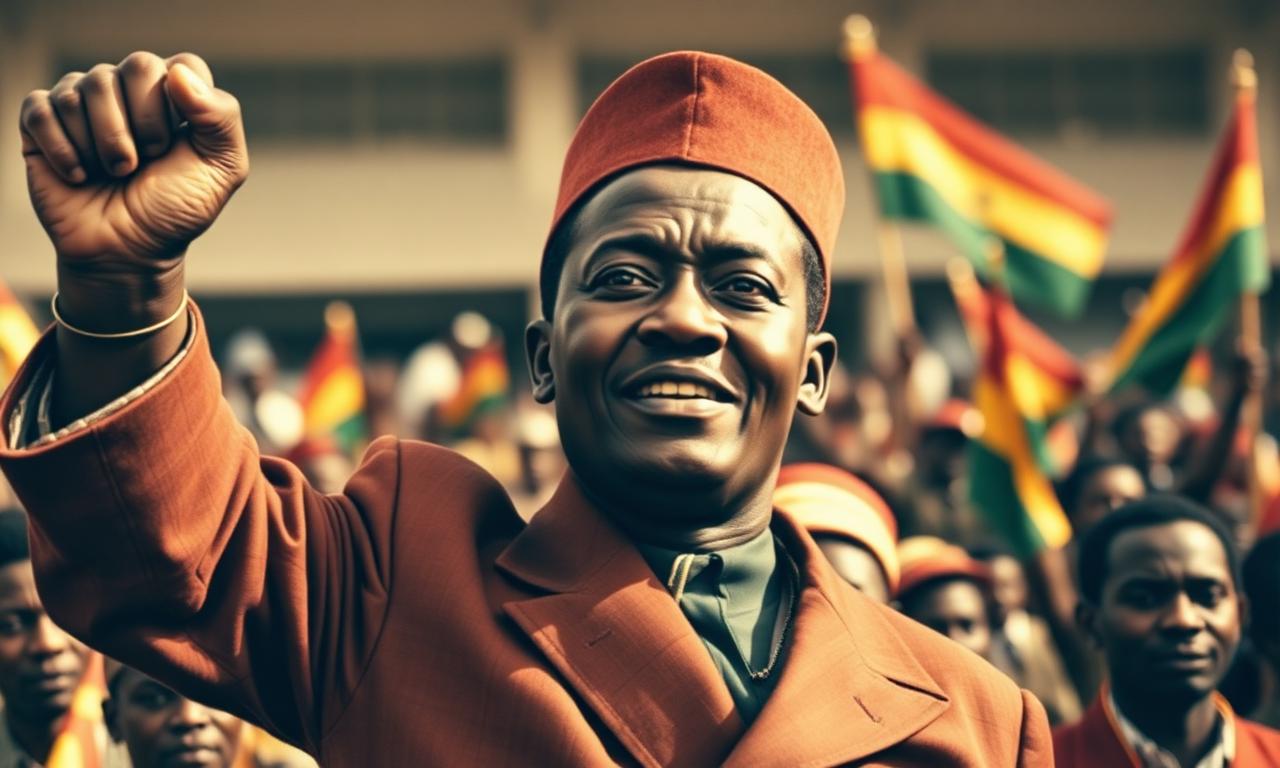
Kwame Nkrumah broke away from the UGCC in 1949 and formed the Convention People's Party. His slogan, 'Self-Government Now', attracted workers, youth, farmers, market women and many ordinary citizens.
After Positive Action and Nkrumah's imprisonment, the CPP won the 1951 election. Nkrumah was released from prison and became Leader of Government Business. More elections in 1954 and 1956 showed that most voters supported independence under the CPP.
The night Ghana was born
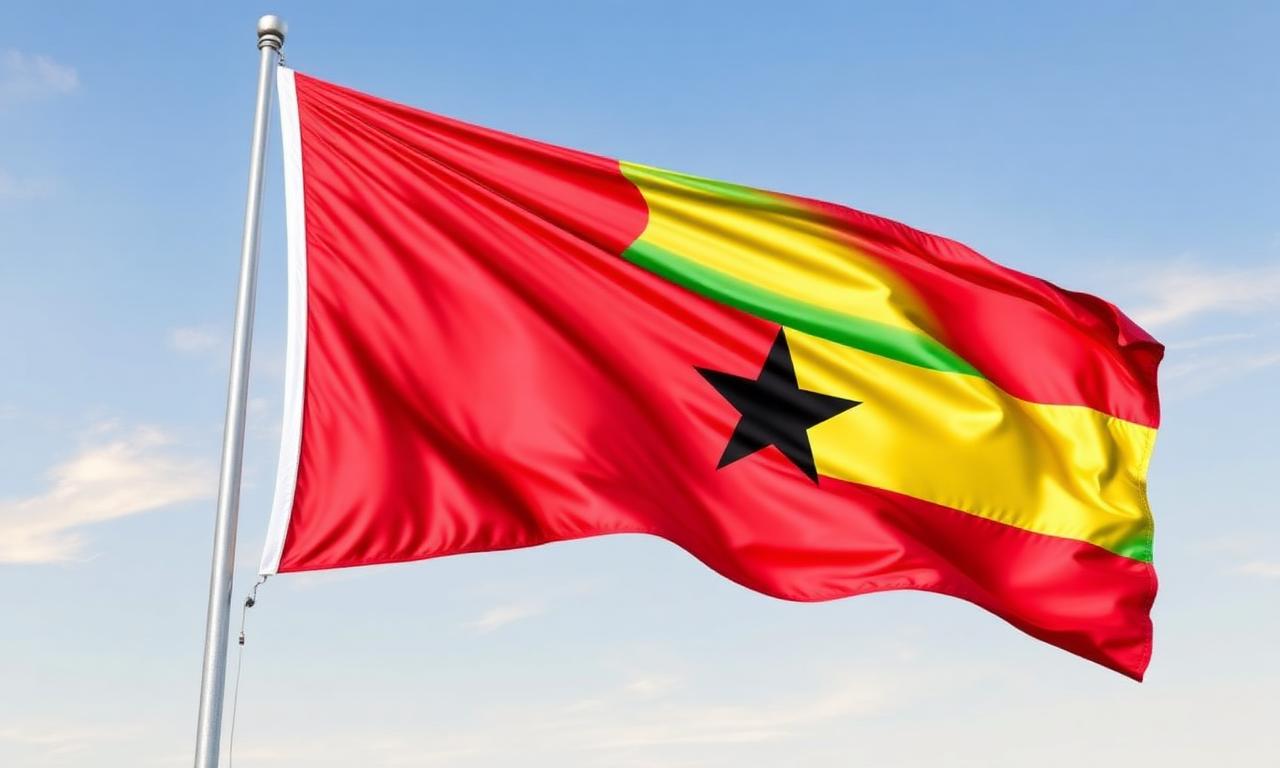
On the night of 5 March 1957, thousands gathered at the Old Polo Grounds in Accra. At midnight the British flag was lowered and Ghana's red, gold and green flag with the black star was raised.
Kwame Nkrumah told the crowd, 'At long last, the battle has ended! Ghana, your beloved country, is free forever.' He also reminded them that Ghana's freedom was linked to the liberation of the whole African continent.
Understanding the background
Ghana Independence is an important topic because it helps learners connect names, dates, places and decisions to the wider story of Ghana. The subject belongs to independence, but it also links with citizenship, geography, culture and moral education. When students read about Ghana Independence, they are not only memorising facts; they are learning how people solved problems, protected communities, built institutions and passed lessons from one generation to another.
A useful way to study this topic is to begin with the main evidence. One important fact is: Independence date: 6 March 1957. Another point to remember is: Former colonial name: Gold Coast. These details give the article a clear anchor. They help learners explain what happened, where it happened, who was involved and why the event or place remains important in Ghanaian life today.
The story should also be read with empathy. History is about real people: leaders making hard choices, ordinary families facing change, traders moving goods, chiefs protecting their people, students demanding a better future, and communities keeping traditions alive. Some parts of Ghana's past are joyful and proud, while others are painful. A good reader respects both sides and tries to understand the human experience behind the facts.
For long reading, pause after each section and ask three simple questions: What is the main idea? Which details support it? How does it connect to Ghana today? This method makes Ghana Independence easier to remember and easier to discuss in class. It also helps learners write stronger essays because every paragraph can be connected to a clear point, a clear example and a clear explanation.
This topic is also useful for national identity. Ghana is made up of many regions, languages, ethnic groups, faiths and occupations, yet the history of the country shows repeated efforts to build unity. Whether the topic is a president, a castle, a kingdom, a region, a festival or a national event, the lesson is that Ghana's story was built by many hands. Understanding Ghana Independence helps learners appreciate that shared responsibility.
When preparing for quizzes or examinations, learners should create a short timeline, write down key names, mark important places on a map and explain the meaning of each fact in their own words. Copying sentences is less helpful than retelling the story clearly. If a learner can explain Ghana Independence to a younger pupil in simple English, then the learner has truly understood the topic.
People, places and decisions
Ghana Independence is an important topic because it helps learners connect names, dates, places and decisions to the wider story of Ghana. The subject belongs to independence, but it also links with citizenship, geography, culture and moral education. When students read about Ghana Independence, they are not only memorising facts; they are learning how people solved problems, protected communities, built institutions and passed lessons from one generation to another.
A useful way to study this topic is to begin with the main evidence. One important fact is: Former colonial name: Gold Coast. Another point to remember is: First Prime Minister: Dr. Kwame Nkrumah. These details give the article a clear anchor. They help learners explain what happened, where it happened, who was involved and why the event or place remains important in Ghanaian life today.
The story should also be read with empathy. History is about real people: leaders making hard choices, ordinary families facing change, traders moving goods, chiefs protecting their people, students demanding a better future, and communities keeping traditions alive. Some parts of Ghana's past are joyful and proud, while others are painful. A good reader respects both sides and tries to understand the human experience behind the facts.
For long reading, pause after each section and ask three simple questions: What is the main idea? Which details support it? How does it connect to Ghana today? This method makes Ghana Independence easier to remember and easier to discuss in class. It also helps learners write stronger essays because every paragraph can be connected to a clear point, a clear example and a clear explanation.
This topic is also useful for national identity. Ghana is made up of many regions, languages, ethnic groups, faiths and occupations, yet the history of the country shows repeated efforts to build unity. Whether the topic is a president, a castle, a kingdom, a region, a festival or a national event, the lesson is that Ghana's story was built by many hands. Understanding Ghana Independence helps learners appreciate that shared responsibility.
When preparing for quizzes or examinations, learners should create a short timeline, write down key names, mark important places on a map and explain the meaning of each fact in their own words. Copying sentences is less helpful than retelling the story clearly. If a learner can explain Ghana Independence to a younger pupil in simple English, then the learner has truly understood the topic.
Cause and effect
Ghana Independence is an important topic because it helps learners connect names, dates, places and decisions to the wider story of Ghana. The subject belongs to independence, but it also links with citizenship, geography, culture and moral education. When students read about Ghana Independence, they are not only memorising facts; they are learning how people solved problems, protected communities, built institutions and passed lessons from one generation to another.
A useful way to study this topic is to begin with the main evidence. One important fact is: First Prime Minister: Dr. Kwame Nkrumah. Another point to remember is: National symbol: the Black Star of African freedom. These details give the article a clear anchor. They help learners explain what happened, where it happened, who was involved and why the event or place remains important in Ghanaian life today.
The story should also be read with empathy. History is about real people: leaders making hard choices, ordinary families facing change, traders moving goods, chiefs protecting their people, students demanding a better future, and communities keeping traditions alive. Some parts of Ghana's past are joyful and proud, while others are painful. A good reader respects both sides and tries to understand the human experience behind the facts.
For long reading, pause after each section and ask three simple questions: What is the main idea? Which details support it? How does it connect to Ghana today? This method makes Ghana Independence easier to remember and easier to discuss in class. It also helps learners write stronger essays because every paragraph can be connected to a clear point, a clear example and a clear explanation.
This topic is also useful for national identity. Ghana is made up of many regions, languages, ethnic groups, faiths and occupations, yet the history of the country shows repeated efforts to build unity. Whether the topic is a president, a castle, a kingdom, a region, a festival or a national event, the lesson is that Ghana's story was built by many hands. Understanding Ghana Independence helps learners appreciate that shared responsibility.
When preparing for quizzes or examinations, learners should create a short timeline, write down key names, mark important places on a map and explain the meaning of each fact in their own words. Copying sentences is less helpful than retelling the story clearly. If a learner can explain Ghana Independence to a younger pupil in simple English, then the learner has truly understood the topic.
Life in Ghana at the time
Ghana Independence is an important topic because it helps learners connect names, dates, places and decisions to the wider story of Ghana. The subject belongs to independence, but it also links with citizenship, geography, culture and moral education. When students read about Ghana Independence, they are not only memorising facts; they are learning how people solved problems, protected communities, built institutions and passed lessons from one generation to another.
A useful way to study this topic is to begin with the main evidence. One important fact is: National symbol: the Black Star of African freedom. Another point to remember is: Ghana became a republic on 1 July 1960. These details give the article a clear anchor. They help learners explain what happened, where it happened, who was involved and why the event or place remains important in Ghanaian life today.
The story should also be read with empathy. History is about real people: leaders making hard choices, ordinary families facing change, traders moving goods, chiefs protecting their people, students demanding a better future, and communities keeping traditions alive. Some parts of Ghana's past are joyful and proud, while others are painful. A good reader respects both sides and tries to understand the human experience behind the facts.
For long reading, pause after each section and ask three simple questions: What is the main idea? Which details support it? How does it connect to Ghana today? This method makes Ghana Independence easier to remember and easier to discuss in class. It also helps learners write stronger essays because every paragraph can be connected to a clear point, a clear example and a clear explanation.
This topic is also useful for national identity. Ghana is made up of many regions, languages, ethnic groups, faiths and occupations, yet the history of the country shows repeated efforts to build unity. Whether the topic is a president, a castle, a kingdom, a region, a festival or a national event, the lesson is that Ghana's story was built by many hands. Understanding Ghana Independence helps learners appreciate that shared responsibility.
When preparing for quizzes or examinations, learners should create a short timeline, write down key names, mark important places on a map and explain the meaning of each fact in their own words. Copying sentences is less helpful than retelling the story clearly. If a learner can explain Ghana Independence to a younger pupil in simple English, then the learner has truly understood the topic.
Why the topic matters today
Ghana Independence is an important topic because it helps learners connect names, dates, places and decisions to the wider story of Ghana. The subject belongs to independence, but it also links with citizenship, geography, culture and moral education. When students read about Ghana Independence, they are not only memorising facts; they are learning how people solved problems, protected communities, built institutions and passed lessons from one generation to another.
A useful way to study this topic is to begin with the main evidence. One important fact is: Ghana became a republic on 1 July 1960. Another point to remember is: Independence date: 6 March 1957. These details give the article a clear anchor. They help learners explain what happened, where it happened, who was involved and why the event or place remains important in Ghanaian life today.
The story should also be read with empathy. History is about real people: leaders making hard choices, ordinary families facing change, traders moving goods, chiefs protecting their people, students demanding a better future, and communities keeping traditions alive. Some parts of Ghana's past are joyful and proud, while others are painful. A good reader respects both sides and tries to understand the human experience behind the facts.
For long reading, pause after each section and ask three simple questions: What is the main idea? Which details support it? How does it connect to Ghana today? This method makes Ghana Independence easier to remember and easier to discuss in class. It also helps learners write stronger essays because every paragraph can be connected to a clear point, a clear example and a clear explanation.
This topic is also useful for national identity. Ghana is made up of many regions, languages, ethnic groups, faiths and occupations, yet the history of the country shows repeated efforts to build unity. Whether the topic is a president, a castle, a kingdom, a region, a festival or a national event, the lesson is that Ghana's story was built by many hands. Understanding Ghana Independence helps learners appreciate that shared responsibility.
When preparing for quizzes or examinations, learners should create a short timeline, write down key names, mark important places on a map and explain the meaning of each fact in their own words. Copying sentences is less helpful than retelling the story clearly. If a learner can explain Ghana Independence to a younger pupil in simple English, then the learner has truly understood the topic.
Common misunderstandings
Ghana Independence is an important topic because it helps learners connect names, dates, places and decisions to the wider story of Ghana. The subject belongs to independence, but it also links with citizenship, geography, culture and moral education. When students read about Ghana Independence, they are not only memorising facts; they are learning how people solved problems, protected communities, built institutions and passed lessons from one generation to another.
A useful way to study this topic is to begin with the main evidence. One important fact is: Independence date: 6 March 1957. Another point to remember is: Former colonial name: Gold Coast. These details give the article a clear anchor. They help learners explain what happened, where it happened, who was involved and why the event or place remains important in Ghanaian life today.
The story should also be read with empathy. History is about real people: leaders making hard choices, ordinary families facing change, traders moving goods, chiefs protecting their people, students demanding a better future, and communities keeping traditions alive. Some parts of Ghana's past are joyful and proud, while others are painful. A good reader respects both sides and tries to understand the human experience behind the facts.
For long reading, pause after each section and ask three simple questions: What is the main idea? Which details support it? How does it connect to Ghana today? This method makes Ghana Independence easier to remember and easier to discuss in class. It also helps learners write stronger essays because every paragraph can be connected to a clear point, a clear example and a clear explanation.
This topic is also useful for national identity. Ghana is made up of many regions, languages, ethnic groups, faiths and occupations, yet the history of the country shows repeated efforts to build unity. Whether the topic is a president, a castle, a kingdom, a region, a festival or a national event, the lesson is that Ghana's story was built by many hands. Understanding Ghana Independence helps learners appreciate that shared responsibility.
When preparing for quizzes or examinations, learners should create a short timeline, write down key names, mark important places on a map and explain the meaning of each fact in their own words. Copying sentences is less helpful than retelling the story clearly. If a learner can explain Ghana Independence to a younger pupil in simple English, then the learner has truly understood the topic.
Classroom study notes
Ghana Independence is an important topic because it helps learners connect names, dates, places and decisions to the wider story of Ghana. The subject belongs to independence, but it also links with citizenship, geography, culture and moral education. When students read about Ghana Independence, they are not only memorising facts; they are learning how people solved problems, protected communities, built institutions and passed lessons from one generation to another.
A useful way to study this topic is to begin with the main evidence. One important fact is: Former colonial name: Gold Coast. Another point to remember is: First Prime Minister: Dr. Kwame Nkrumah. These details give the article a clear anchor. They help learners explain what happened, where it happened, who was involved and why the event or place remains important in Ghanaian life today.
The story should also be read with empathy. History is about real people: leaders making hard choices, ordinary families facing change, traders moving goods, chiefs protecting their people, students demanding a better future, and communities keeping traditions alive. Some parts of Ghana's past are joyful and proud, while others are painful. A good reader respects both sides and tries to understand the human experience behind the facts.
For long reading, pause after each section and ask three simple questions: What is the main idea? Which details support it? How does it connect to Ghana today? This method makes Ghana Independence easier to remember and easier to discuss in class. It also helps learners write stronger essays because every paragraph can be connected to a clear point, a clear example and a clear explanation.
This topic is also useful for national identity. Ghana is made up of many regions, languages, ethnic groups, faiths and occupations, yet the history of the country shows repeated efforts to build unity. Whether the topic is a president, a castle, a kingdom, a region, a festival or a national event, the lesson is that Ghana's story was built by many hands. Understanding Ghana Independence helps learners appreciate that shared responsibility.
When preparing for quizzes or examinations, learners should create a short timeline, write down key names, mark important places on a map and explain the meaning of each fact in their own words. Copying sentences is less helpful than retelling the story clearly. If a learner can explain Ghana Independence to a younger pupil in simple English, then the learner has truly understood the topic.
How to remember the lesson
Ghana Independence is an important topic because it helps learners connect names, dates, places and decisions to the wider story of Ghana. The subject belongs to independence, but it also links with citizenship, geography, culture and moral education. When students read about Ghana Independence, they are not only memorising facts; they are learning how people solved problems, protected communities, built institutions and passed lessons from one generation to another.
A useful way to study this topic is to begin with the main evidence. One important fact is: First Prime Minister: Dr. Kwame Nkrumah. Another point to remember is: National symbol: the Black Star of African freedom. These details give the article a clear anchor. They help learners explain what happened, where it happened, who was involved and why the event or place remains important in Ghanaian life today.
The story should also be read with empathy. History is about real people: leaders making hard choices, ordinary families facing change, traders moving goods, chiefs protecting their people, students demanding a better future, and communities keeping traditions alive. Some parts of Ghana's past are joyful and proud, while others are painful. A good reader respects both sides and tries to understand the human experience behind the facts.
For long reading, pause after each section and ask three simple questions: What is the main idea? Which details support it? How does it connect to Ghana today? This method makes Ghana Independence easier to remember and easier to discuss in class. It also helps learners write stronger essays because every paragraph can be connected to a clear point, a clear example and a clear explanation.
This topic is also useful for national identity. Ghana is made up of many regions, languages, ethnic groups, faiths and occupations, yet the history of the country shows repeated efforts to build unity. Whether the topic is a president, a castle, a kingdom, a region, a festival or a national event, the lesson is that Ghana's story was built by many hands. Understanding Ghana Independence helps learners appreciate that shared responsibility.
When preparing for quizzes or examinations, learners should create a short timeline, write down key names, mark important places on a map and explain the meaning of each fact in their own words. Copying sentences is less helpful than retelling the story clearly. If a learner can explain Ghana Independence to a younger pupil in simple English, then the learner has truly understood the topic.
Questions for deeper thinking
Ghana Independence is an important topic because it helps learners connect names, dates, places and decisions to the wider story of Ghana. The subject belongs to independence, but it also links with citizenship, geography, culture and moral education. When students read about Ghana Independence, they are not only memorising facts; they are learning how people solved problems, protected communities, built institutions and passed lessons from one generation to another.
A useful way to study this topic is to begin with the main evidence. One important fact is: National symbol: the Black Star of African freedom. Another point to remember is: Ghana became a republic on 1 July 1960. These details give the article a clear anchor. They help learners explain what happened, where it happened, who was involved and why the event or place remains important in Ghanaian life today.
The story should also be read with empathy. History is about real people: leaders making hard choices, ordinary families facing change, traders moving goods, chiefs protecting their people, students demanding a better future, and communities keeping traditions alive. Some parts of Ghana's past are joyful and proud, while others are painful. A good reader respects both sides and tries to understand the human experience behind the facts.
For long reading, pause after each section and ask three simple questions: What is the main idea? Which details support it? How does it connect to Ghana today? This method makes Ghana Independence easier to remember and easier to discuss in class. It also helps learners write stronger essays because every paragraph can be connected to a clear point, a clear example and a clear explanation.
This topic is also useful for national identity. Ghana is made up of many regions, languages, ethnic groups, faiths and occupations, yet the history of the country shows repeated efforts to build unity. Whether the topic is a president, a castle, a kingdom, a region, a festival or a national event, the lesson is that Ghana's story was built by many hands. Understanding Ghana Independence helps learners appreciate that shared responsibility.
When preparing for quizzes or examinations, learners should create a short timeline, write down key names, mark important places on a map and explain the meaning of each fact in their own words. Copying sentences is less helpful than retelling the story clearly. If a learner can explain Ghana Independence to a younger pupil in simple English, then the learner has truly understood the topic.
Summary
Ghana's independence was a victory for courage, organisation and hope. It proved that African people could govern themselves and inspired many other colonies to demand freedom.
Frequently Asked Questions
Q:When did Ghana become independent?
Ghana became independent on 6 March 1957.
Q:What was Ghana called before independence?
It was called the Gold Coast under British colonial rule.
Q:Why was independence important beyond Ghana?
It encouraged other African countries to fight for self-rule and helped make Ghana a symbol of African freedom.